Impact & Stories
See the Collective Difference We're Making
HUMANIZING HOMELESSNESS
Immerse yourself in a world where the stories of individuals facing homelessness come to life. You will better understand the people behind these stories by setting aside any stereotypes and beliefs.
Step into their shoes, experience their daily challenges and witness the raw emotions that often remain unseen. Let your heart truly hear and feel the stories. May you learn from the stories, empathize with the experiences, and be inspired to ignite change in your community.
ACCESS DETAILED REPORTS ON OUR IMPACT AND PROGRAM OUTCOMES.
Impact Reports
BROWSE ALL NEWS, UPDATES, ANNOUNCEMENTS, AND OFFICIAL STATEMENTS.
All Posts

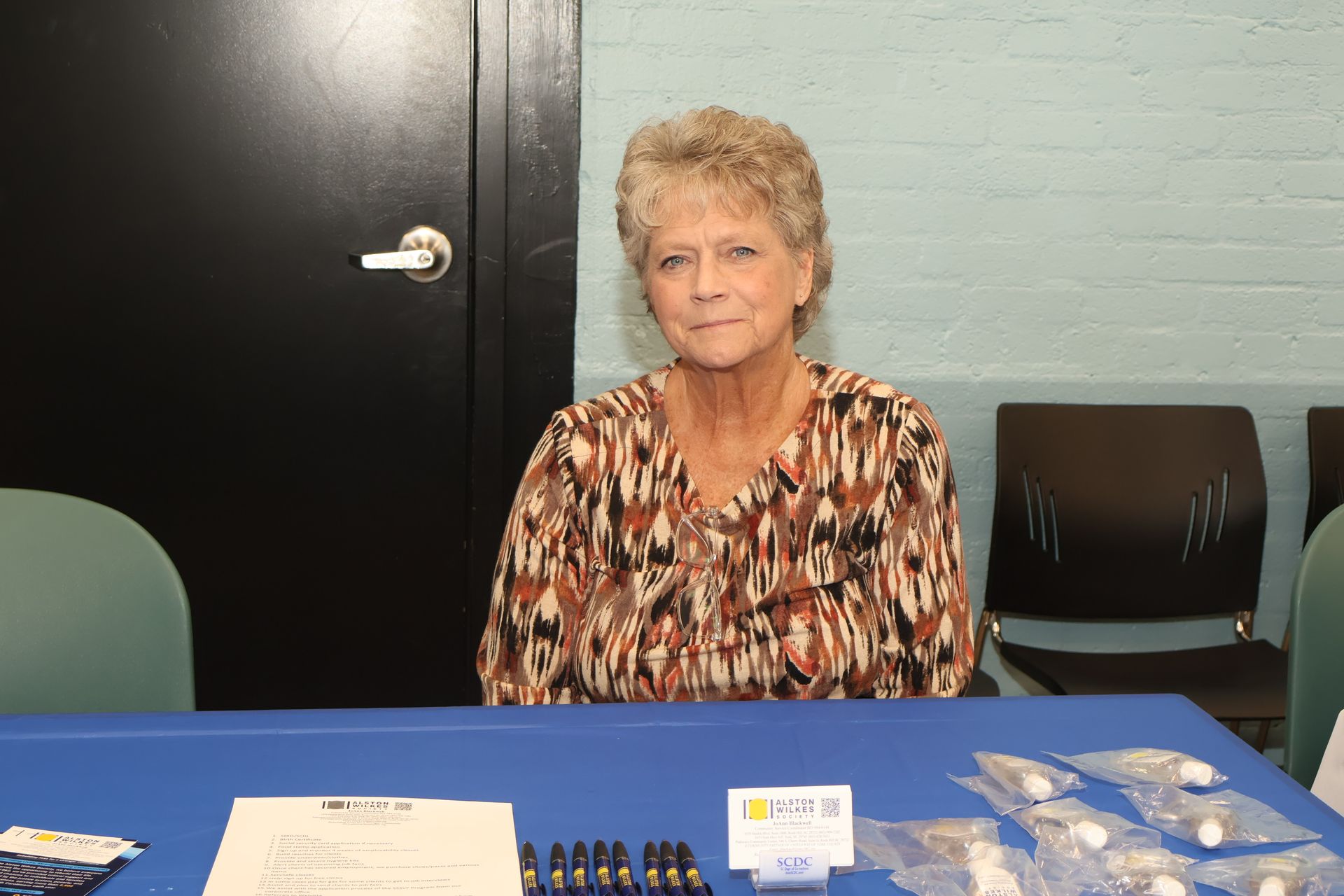
Written by Karl Vogl ll For many individuals and families, filing taxes can be a complicated and costly process. Between shifting tax laws, expensive preparation fees and confusing requirements, the process can deter people from filing altogether or reduce the refunds they depend on. In York County, a volunteer-driven program is working to change that. The Volunteer Income Tax Assistance program, known as VITA, offers free tax preparation services to eligible taxpayers, helping ensure they receive the full refunds and credits they have earned. Operated locally out of Pathways Community Center , and Winthrop University the service is staffed entirely by IRS-certified volunteers and is designed to make tax filing accessible, accurate and free. VITA also partners with the City of Rock Hill and United Way “We help the community file tax returns electronically, and we double-check everything to make sure taxpayers receive all the credits they’re entitled to,” said site coordinator Bill Perry. “There’s no charge, we’re 100% volunteers.” VITA sites generally serve individuals who earn about $69,000 or less, as well as people with disabilities, limited English-speaking taxpayers and those who need assistance navigating the filing process. Services include preparation of basic returns, W-2 income, most 1099 forms and access to key credits such as the Earned Income Tax Credit and Child Tax Credit. Some locations also assist with prior-year returns. For many residents, avoiding preparation fees can make a meaningful difference. Erin Freel, a York County resident and single mother, said she first learned about VITA while working at City Hall and has relied on it since. “I thought it was incredible that there was a place people could go and get help without being charged,” she said. “A lot of private tax services charge too much, especially when you have additional credits.” Those added fees can cut into refunds that families rely on for essential expenses. “As a single mom who doesn’t receive child support, the child tax credit is a big deal,” Freel said. “But some places charge more just to process those credits, the same money you actually need.” Using VITA has allowed her to keep more of her refund and better support her children. “Having a free service means I get to keep what I’ve worked for,” she said. “That allows me to provide more for my kids. That’s a big deal.” The York County VITA site recently relocated from City Hall to Pathways Community Center, a move that coordinators say has improved access and increased participation. “Being at Pathways has made it easier for the community to come in and get services,” Perry said. “It’s a space that’s already centered around serving people, so it’s a natural fit.” Since the move, the site has seen an increase in the number of taxpayers seeking assistance. Still, challenges remain. Assistant coordinator Janice Louttit said one of the most common issues is that filers arrive without the necessary documentation. To complete a return, taxpayers are typically required to bring a government-issued photo ID, Social Security cards or ITINs for all household members, income documents such as W-2s or 1099s, a copy of the previous year’s tax return, and banking information for direct deposit. Married couples filing jointly must both be present. Louttit said recent changes in tax laws have also added complexity for both taxpayers and preparers. “After COVID, there were a lot of new programs and ongoing changes to the tax code,” she said. “Even recently, some updates were implemented so quickly that people’s documents don’t always reflect what non-taxable W-2 income is like overtime and tips.” Despite those challenges, she said the work remains deeply rewarding. “When I retired, I knew this is what I wanted to do,” Louttit said. “This is my favorite time of the year.” For taxpayers like Freel, the value of the program goes beyond cost savings. “It’s a safe environment,” she said. “They’re honest, they explain everything clearly, and they’re there to help. It shouldn’t be complicated.” During the 2026 tax season VITA processed 5,263 returns representing 2,843 clients. Though the tax season is now over, the York County VITA site is seeking additional volunteers to meet growing demand. Community members can receive free IRS certification and training for next year, with opportunities to assist in tax preparation, client intake and site support. Those interested in volunteering for the 2027 tax season are encouraged to connect with the VITA program at Pathways Community Center and help ensure more families can access the support they need.

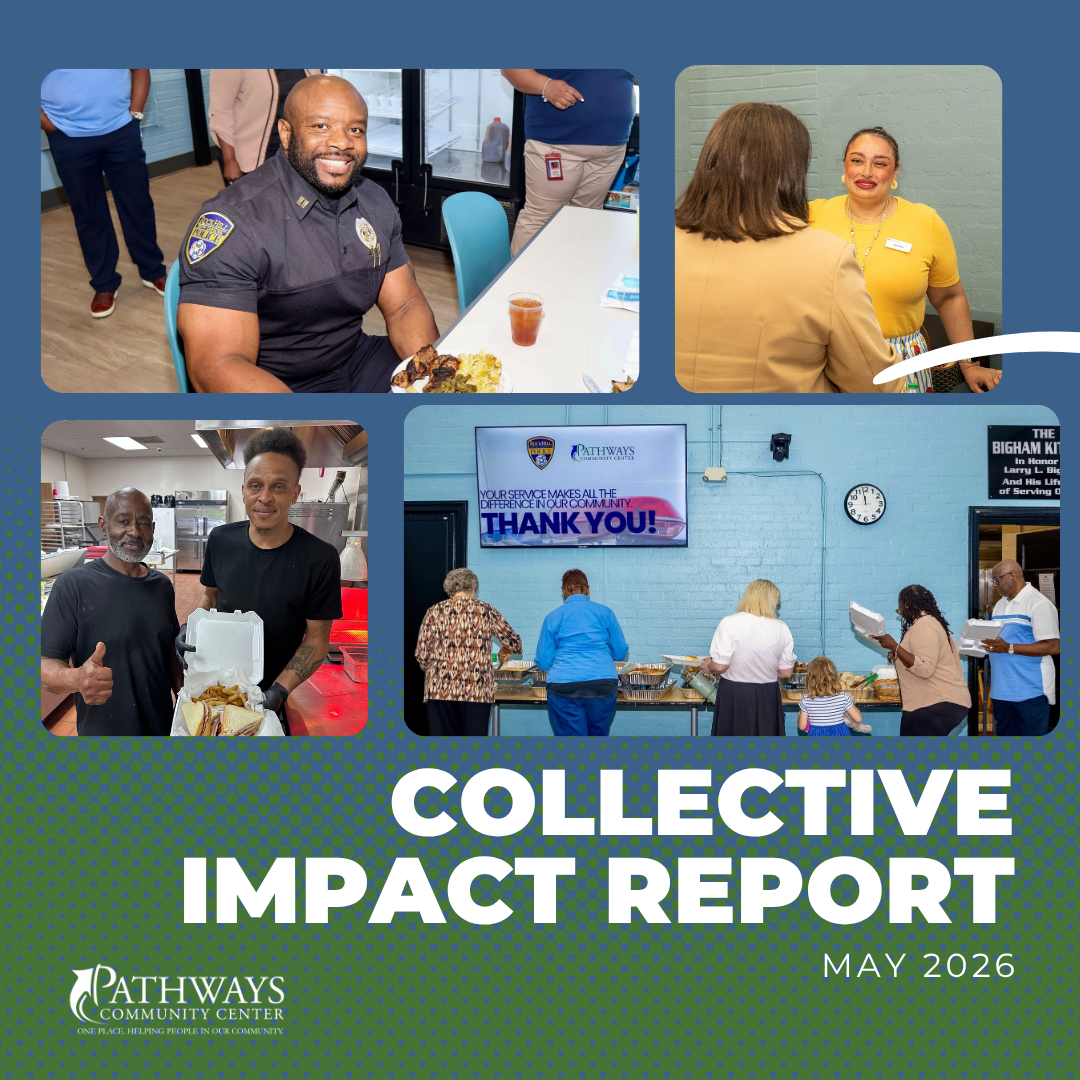
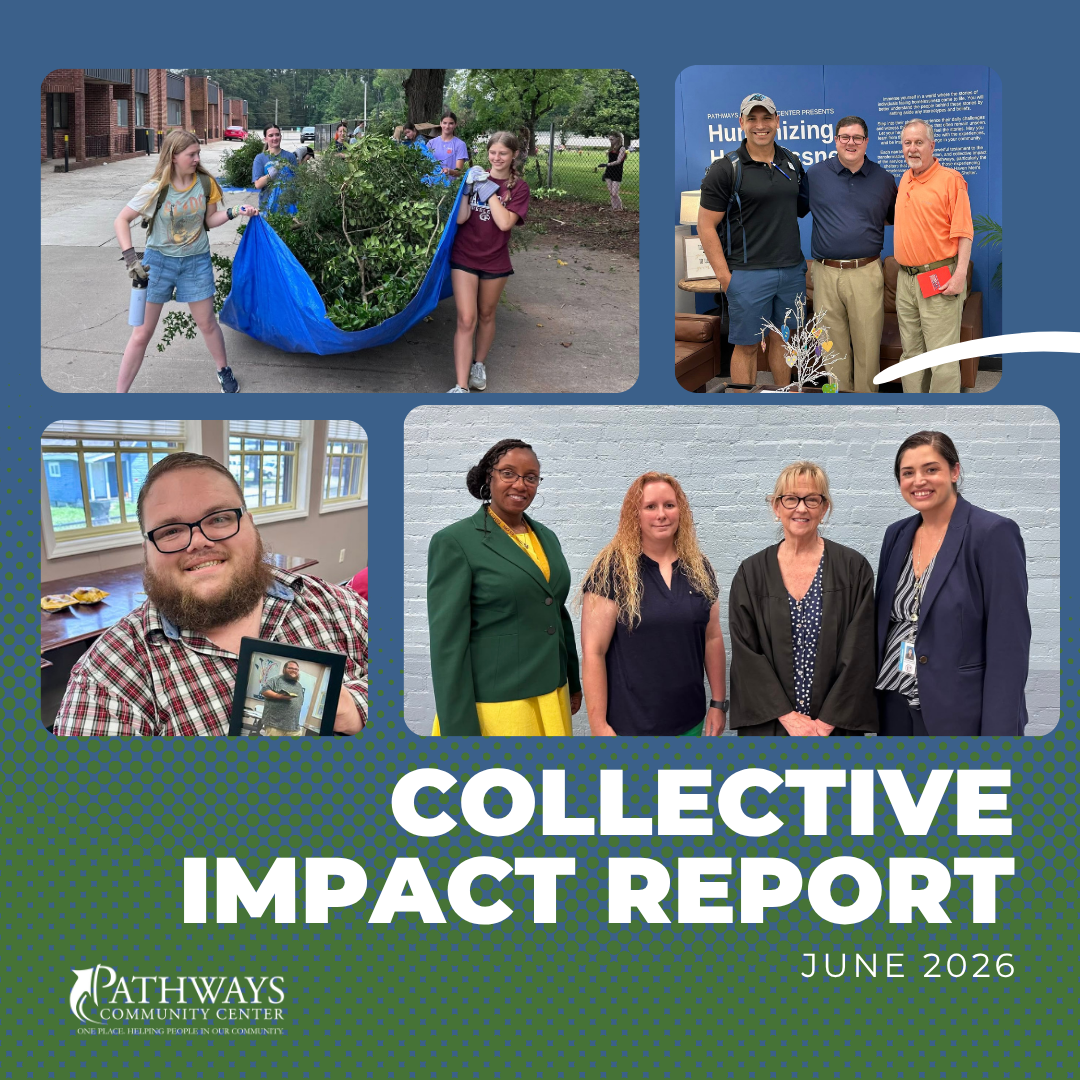
Collective Impact in Action January was a powerful reminder of what can happen when compassion meets action. Across the Pathways campus, community partners, volunteers, and on-site agencies came together to spread holiday cheer while continuing to provide critical support and services. From meals and outreach efforts to moments of connection and care, the season was filled with hope, generosity, and meaningful impact. Throughout the month, individuals received the resources they needed to move forward—whether through workforce support, housing assistance, health and recovery services, or simply the encouragement of a community that showed up for them. Every act of kindness, every shared meal, and every collaborative effort reflected the heart of Pathways. Together, we closed the year by lifting spirits, opening doors, and strengthening the pathways forward for our neighbors and our community.

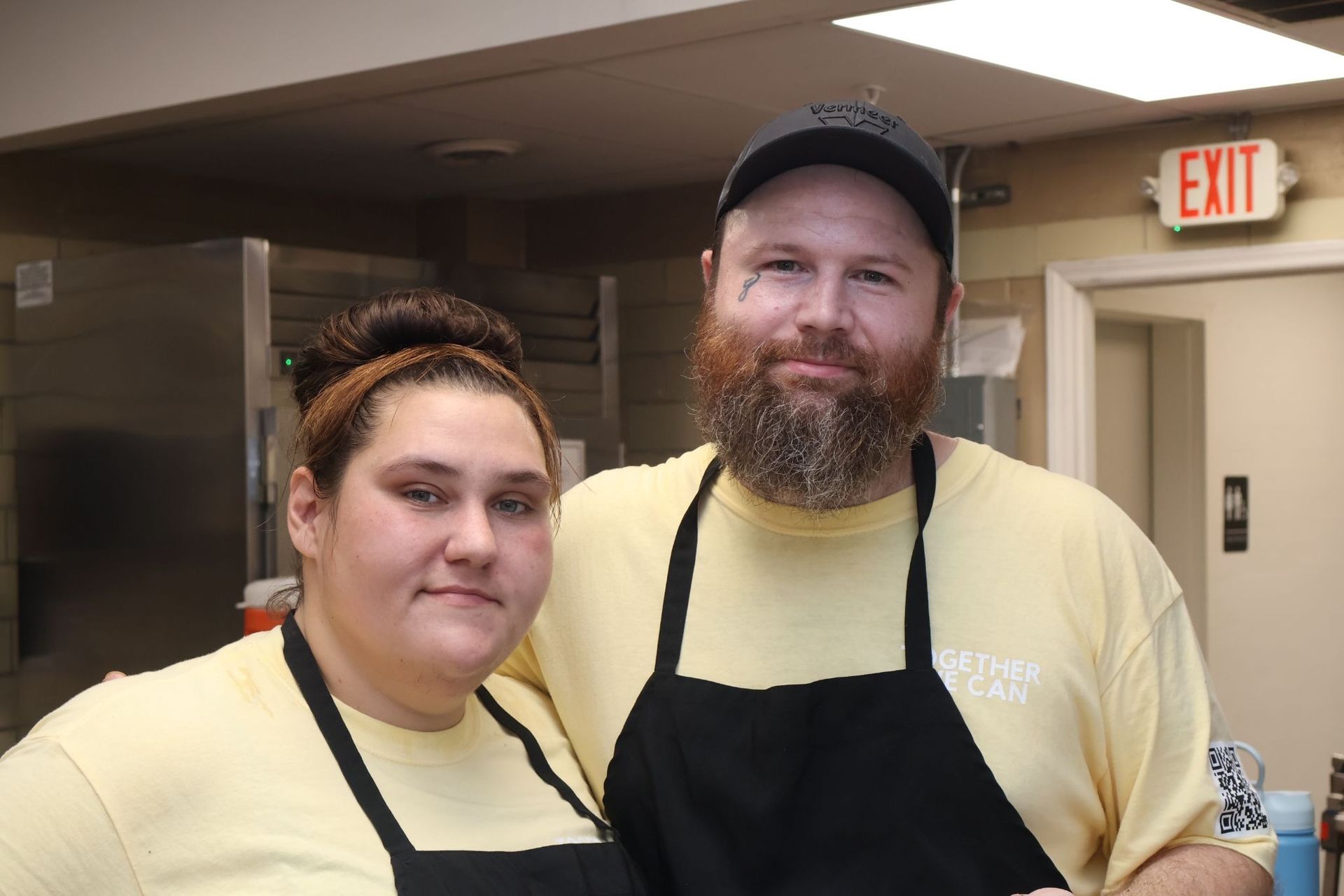
By: Karl Vogl II On any given day in Rock Hill, a hot meal can mean far more than nourishment — it can mean dignity, hope and a reminder that someone cares. At Pathways Community Center, House of Agape has quietly become a lifeline for individuals and families experiencing food insecurity. What began as a small effort to serve meals out of a garage has grown into a seven-day-a-week ministry dedicated to meeting both the physical and spiritual needs of the community. House of Agape seeks to follow the biblical call to be “doers of the word, not hearers only,” providing meals and encouragement to neighbors throughout Rock Hill. In a recent interview, trustee Robyn Large, trustee Beth Simmonds, and volunteer Michelle Pittman reflected on the ministry’s beginnings, its current initiatives and what the future may hold. According to Large, the inspiration for the ministry began with a simple act of service. Several members of the ministry previously volunteered with a feeding program in Gastonia, North Carolina, where Associate Pastor Bill Long shared weekly messages while volunteers provided meals and music. One moment in particular stayed with them. “One night a young man thanked Pastor Bill over and over for a hot dog,” Large said. “Pastor Bill told him, ‘It’s just a hot dog.’ The young man responded, ‘If it wasn’t for this hot dog, my son wouldn’t have eaten today.’” For Large, that interaction revealed the deeper impact a simple meal can have. Another defining moment soon followed. “We were in the driveway of our home washing our motorcycles when a friend stopped by,” Large said. “She told us she felt God wanted us to open a ministry like that in Rock Hill.” At the time, the idea seemed unexpected, but in the weeks that followed, Large said the path forward became clear. House of Agape began by serving food one night a week in a garage above the Larges’ home. As the need in the community became more apparent, the ministry expanded to a trailer in a nearby parking lot. Eventually, what began as a single night of service grew to seven days a week. Today, the ministry operates out of Pathways Community Center, where expanded space and shared resources have allowed the program to reach even more people. “We want each person to know they are cared for, they matter, and we would love to introduce them to the ONE from where all hope comes from,” Pittman said. The move also strengthened collaboration with other ministries serving within the Pathways network, including Lifehouse, Bethel, The Haven and Manna House. As the ministry has grown, Large and Simmonds say they have also witnessed the harmful impact of misconceptions about the people they serve. “The homeless or less fortunate are often not seen, or they are treated as if they are less than,” Simmonds said. Large said many people also assume those experiencing food insecurity must also be homeless or struggling with addiction. “While that can be true in some cases, it certainly isn’t true for everyone,” Large said. “Food insecurity does not always equate to homelessness or unemployment. Many people who work hard every day still struggle to put food on the table.” Simmonds said acknowledging that reality can be uncomfortable for some. “People at Agape are impacted physically by the weather – (hot, cold, or rainy), health issues, or the need for clothing or shelter, but they also may be more impacted by feelings of being lonely, weary, broken-hearted, angry, tired, or hopeless,” Pittman said. “So, food is not the only thing they receive at HOA that may impact their life.” Pittman emphasized that at House of Agape everyone that enters also receives hope, acceptance, a listening ear, a shoulder to cry on, or even simple smiles and laughter. We cannot fix their situation, but we can encourage them, present options and resources, listen to them, and most importantly pray with them,” Pittman said. The group also noted that many people are uncomfortable admitting that they, too, are just a paycheck or two away from being in the same circumstances as some of our clients. Volunteers play a vital role in the work of House of Agape. According to Simmonds, the culture volunteers create — along with the intentional conversations they have with guests — helps ensure every person who walks through the doors feels welcomed and valued. “The conversations are just as important as the meals,” she said. The ministry continues to welcome new volunteers, and both trustees say the program’s impact would not be possible without their dedication. While there are currently no formal plans for expansion, Large and Simmonds say they remain confident in the ministry’s direction. They believe God is guiding House of Agape exactly where it needs to be — and that the next steps will become clear in time.

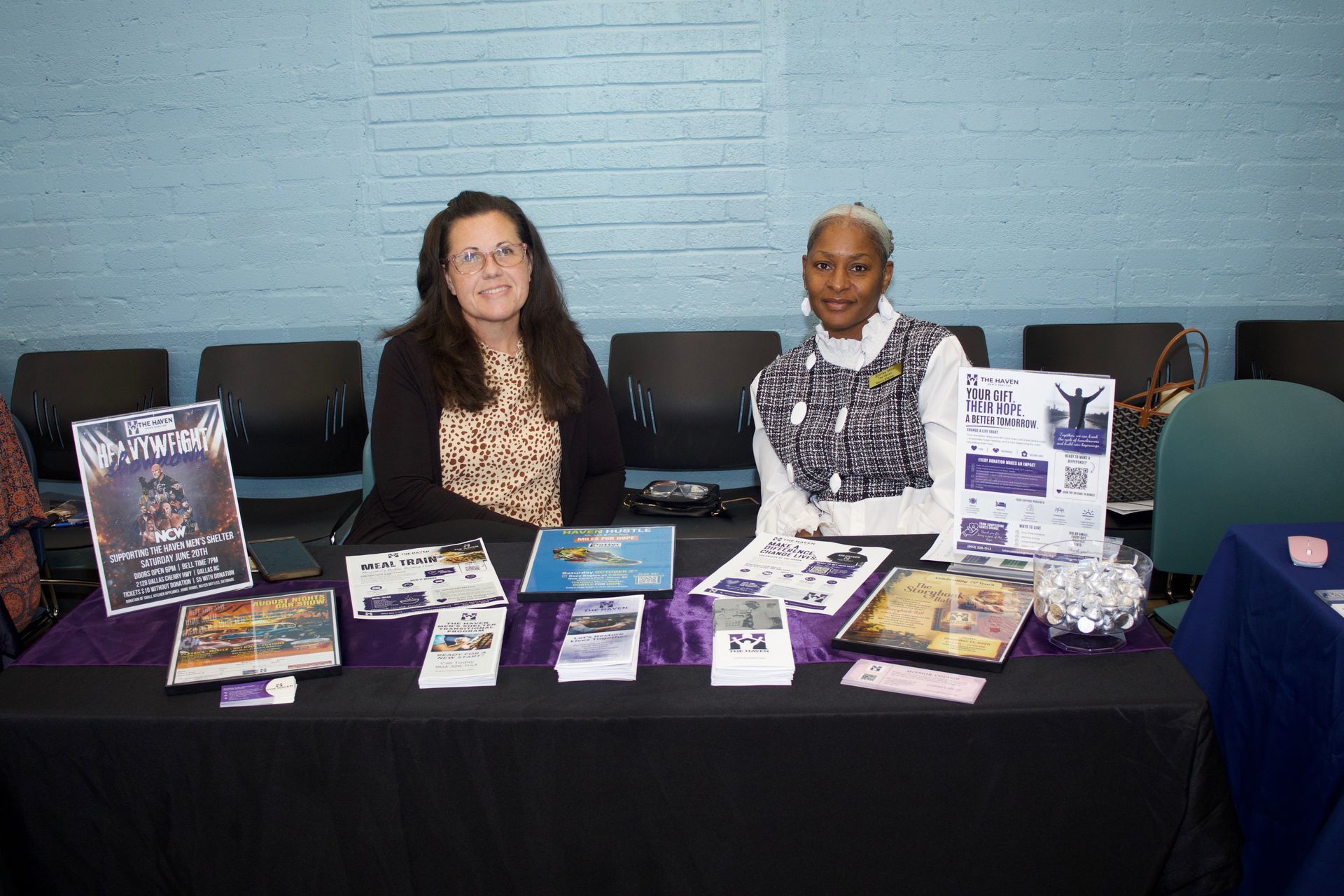
This past month, our community experienced back-to-back winter storms—weather we rarely see in our area. As conditions worsened, Pathways moved quickly into full partnership mode to ensure the safety, dignity, and care of our guests. We live in a world where collaboration and partnership are words often used, but genuine partnership is far less common. At Pathways, we truly believe in partnership. We recognize that we are all serving the same population, that we all love our community, and that we all want the very best for those we serve. We also understand that each organization has a unique calling—to live out its mission fully without duplicating efforts. During moments of crisis, that shared understanding becomes visible and powerful. As the storms approached, partners came together to plan, communicate, and support one another. We engaged community partners such as the City of Rock Hill, the American Red Cross, and the Dorothy Day Soup Kitchen to help us expand capacity and respond to emerging needs. Shelter partners across the community accepted additional guests to ensure people could get out of the dangerous weather and into safe spaces. On our campus, Pathways staff and volunteers worked tirelessly to clear snow and ice so guests—many with limited mobility—could safely navigate the exterior of the building. Staff members slept on site to ensure uninterrupted care and coverage throughout the storm. The Day Shelter expanded into the auditorium to create additional space and warmth as the number of guests increased. Support flowed in from every direction. Manna House Food Pantry donated food for shelter guests. House of Agape served additional guests and opened their space to accommodate other meals being provided. The Soup Kitchen delivered extra meals. York Electric generously brought meals when the ice storm proved less severe than anticipated. Church partners adjusted quickly, bringing meals early when travel later became unsafe. When church partners could not be physically present to serve or preach, technology allowed us to continue sharing the Word, and our own guests stepped up to prepare meals for one another. For those who chose not to stay in shelter, we provided as much warmth and support as possible. While the storms disrupted daily operations, one thing never changed: our partners never stopped caring, loving, and serving our shared guests. This is the power of partnership—moving, shifting, sharing resources, and working together to serve the people we love. This is the power of our campus.

On any given night, thousands of women across America experience hardship. For Haylea Hoke, a mother and recent graduate of York Technical College’s Culinary Workforce Readiness Program, a pathway toward stability became possible through workforce training rooted in opportunity and strengthened by a network of community partners committed to walking alongside her. An integral part of Haylea’s journey toward self-sufficiency was her completion of the York Technical College nine-week Culinary Workforce Readiness Program, a hands-on training designed to equip participants with professional culinary skills, industry-recognized certification, and the confidence needed to pursue meaningful employment. For Haylea, the program represented more than job training; it was a turning point. When asked about the purpose of the program, Kimberly Massey, Workforce and Economic Development Activator for York Tech, said: “The Workforce and Economic Development Department at York Tech offers short-term training, certification, and licensure to help people find work or to advance in their work roles. Many people think of the Technical College as the place that offers 2-year degrees, and we do, but our department offers 2-week, 6-week, 4-month, etc. programs that meet the needs of our local citizens and local industry. Quite often, in cases like Haylea's, people do not have 2 years to become qualified for their next job. They need the knowledge and skills concentrated into a brief time period and assistance connecting with workforce partners who want to hire them.” Like many individuals navigating difficult circumstances, Haylea was already taking steps to care for herself and her family when she connected with local support services that helped stabilize her life and make participation in the program possible. In a recent interview, Haylea reflected on a pivotal season that led her to York Tech’s program. “At the time, I was homeless. I moved to The Life House Women’s Shelter,” she shared. “If it wasn’t for Amber and The Life House, I wouldn’t have been in the culinary program.” The Life House Women’s Shelter, located at Pathways Community Center in Rock Hill, provides women experiencing hardship with access to safe shelter, meals, hygiene services, fellowship, and case management. These essential supports allowed Haylea to focus on her goals and fully engage in York Technical College’s training program. Offered in partnership with Pathways Community Center, York Technical College’s Culinary Workforce Readiness Program blends technical instruction with professional development to prepare participants for success in the food service industry. Throughout the program, Pathways staff worked closely with students to provide encouragement, accountability, and ongoing support. “Mr. Taylor and Wanda support you in ways that I don’t think many people get supported,” Haylea said. “If it weren’t for Mr. Taylor constantly pushing us to go and keep going, I wouldn’t have stayed in the class.” In the kitchen, Haylea trained under the guidance of York Technical College instructor Chef Teshia, who challenged students to develop both their skills and their confidence. “It was truly amazing to watch Haylea’s confidence grow, not only in the kitchen but in every aspect of the program. At the start of the course, she was quiet and preferred to observe. By the end of the class, she was confidently cooking and helping lead discussions,” Chef said. Even while navigating personal challenges — including the loss of a family member — Haylea remained committed to completing the program, supported by her classmates, Chef Teshia, and Pathways staff. “Chef Teshia pushed us to the point where we knew we could do it,” Haylea shared. “She gave us the confidence that we needed.” On December 18, Haylea proudly received her white coat and Managerial ServSafe Certification during a graduation ceremony held at Pathways Community Center, marking the successful completion of York Technical College’s Culinary Workforce Readiness Program. “I don’t overthink anymore,” she said. “If I set my mind to something, I’m going to do it.” When asked what advice she would give to future students, Haylea offered simple but powerful encouragement: “Just keep pushing through. Don’t give up. It’s easy to give up, but just don’t.” Since graduating from the program, Haylea has been hired at Junior Varsity and will soon return to the kitchen at Eleven 11 Steakhouse in Rock Hill — continuing the momentum she built through York Technical College’s workforce training. Her story highlights the impact of workforce education when paired with intentional community collaboration. Through York Technical College’s Culinary Workforce Readiness Program — and the vital support of partners like The Life House and Pathways Community Center — individuals are gaining the skills, confidence, and stability needed to build lasting change. Written by Karl Vogl

Collective Impact in Action December was a powerful reminder of what can happen when compassion meets action. Across the Pathways campus, community partners, volunteers, and on-site agencies came together to spread holiday cheer while continuing to provide critical support and services. From meals and outreach efforts to moments of connection and care, the season was filled with hope, generosity, and meaningful impact. Throughout the month, individuals received the resources they needed to move forward—whether through workforce support, housing assistance, health and recovery services, or simply the encouragement of a community that showed up for them. Every act of kindness, every shared meal, and every collaborative effort reflected the heart of Pathways. Together, we closed the year by lifting spirits, opening doors, and strengthening the pathways forward for our neighbors and our community.

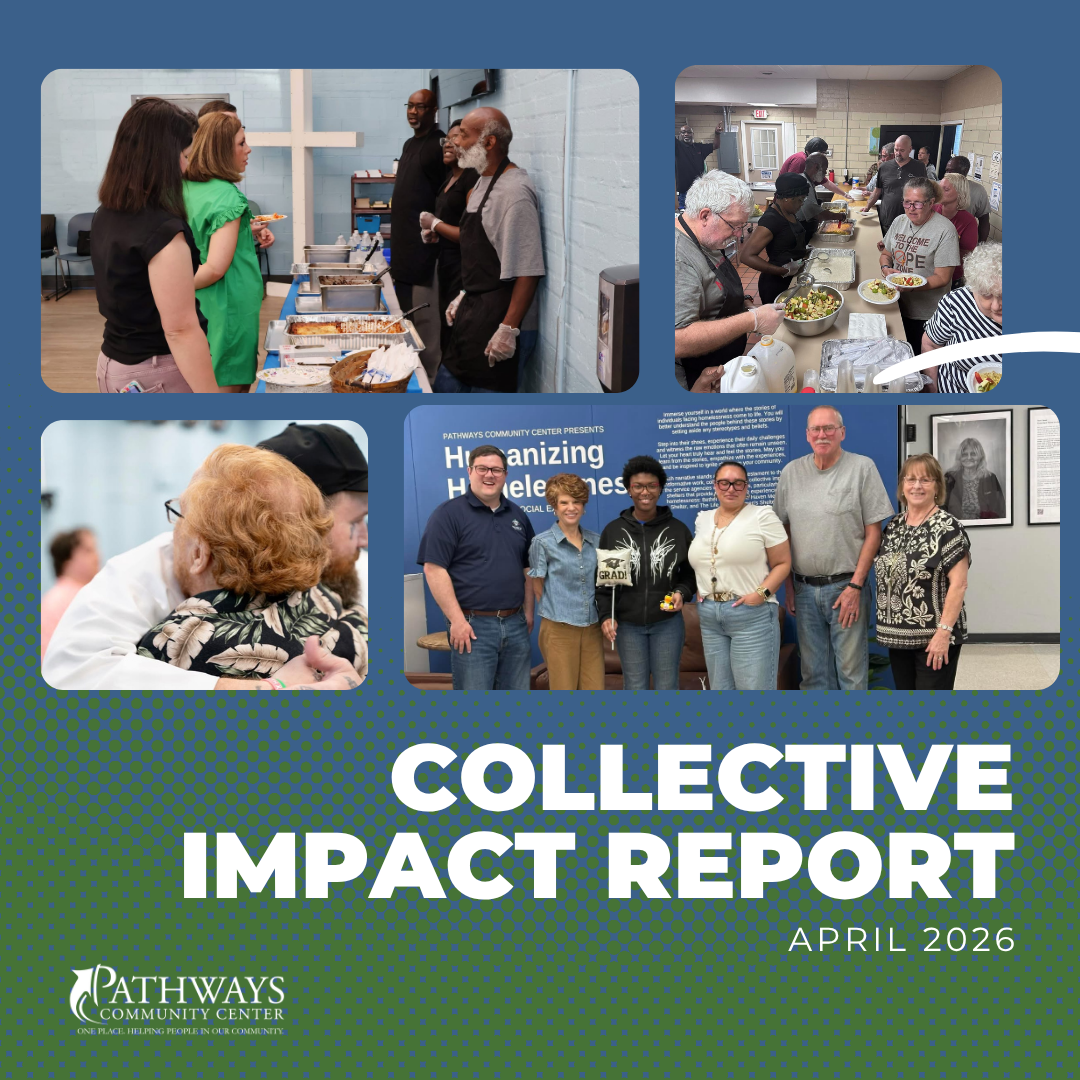
Collective Impact in Action November was another month marked by meaningful movement and measurable impact across the Pathways campus. From on-site agencies delivering essential services to community partners offering their time, skills, and compassion, collaboration continued to open doors and change lives. Across the campus, we saw workforce readiness strengthening, individuals securing employment, neighbors accessing housing support, and guests engaging in health, recovery, and spiritual development opportunities—all working together to move people closer to self-sufficiency. In November, 44 new individuals entered the Pathways system for the first time, bringing our year-to-date totals to 535 intakes and 946 referrals. In addition, seven clients successfully transitioned to independent living during the fall—each milestone reflecting perseverance, coordinated support, and the power of collective impact. Every number represents a life. Every life reflects possibility. And every partnership strengthens the pathway forward for our community.

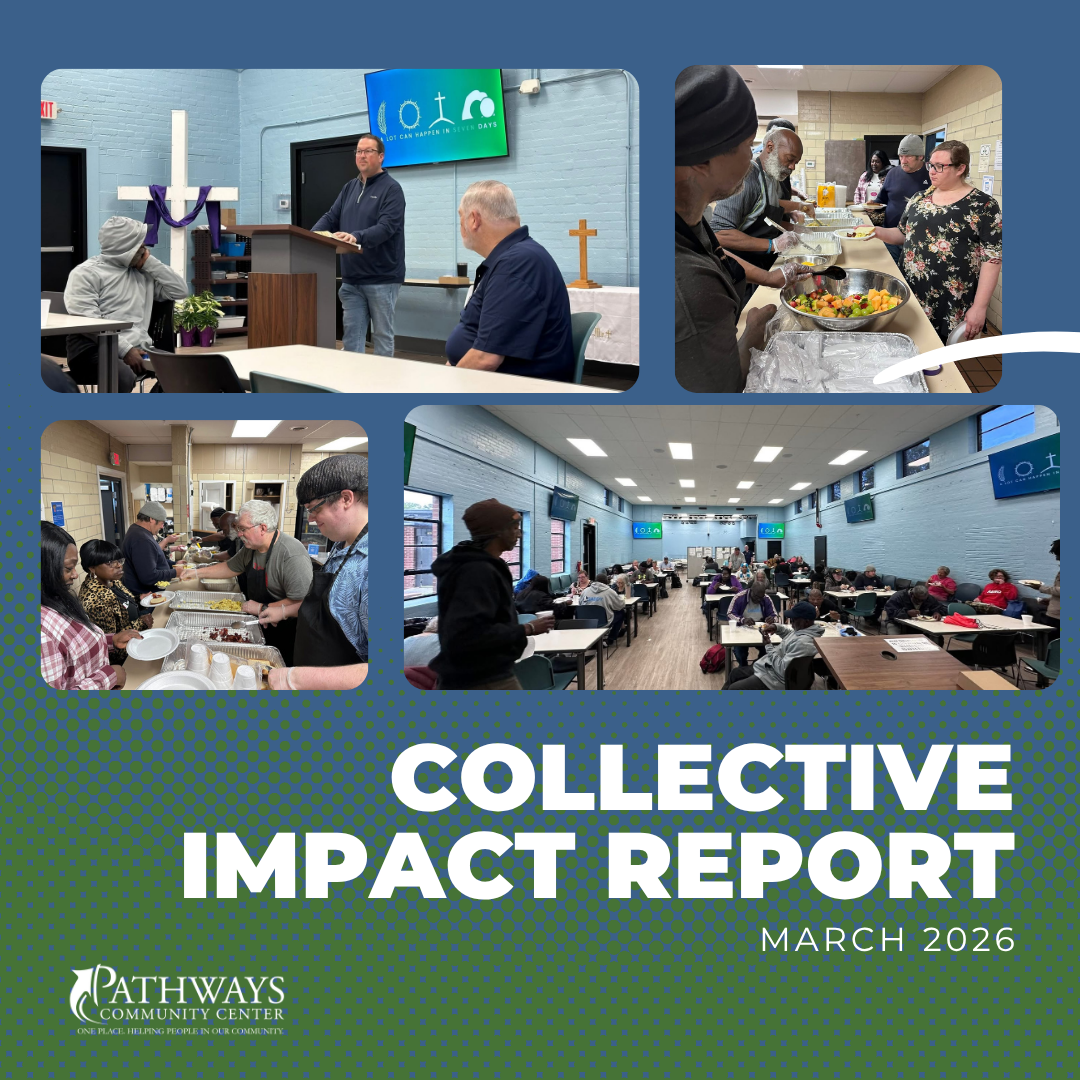
Collective Impact in Action October was another month filled with meaningful movement and measurable impact across the Pathways campus. From agencies providing essential services to community partners offering their time, skills, and compassion, collaboration continued to open doors and change lives. We witnessed powerful moments of progress—workforce readiness growing stronger, individuals securing employment, neighbors accessing housing support, and guests engaging in health, recovery, and spiritual development opportunities. Every effort worked together to move people closer to self-sufficiency. October also marked continued momentum for our Culinary Workforce Readiness Program, a partnership with York Technical College that is already expanding hope and opportunity through hands-on training, skill development, and clear pathways toward stable employment. In October alone, 44 new individuals entered the Pathways system for the first time—bringing us to 496 intakes year-to-date and 882 referrals year-to-date. This month, seven individuals successfully transitioned to independent living, each representing courage, perseverance, and the power of collective support. Every number tells a story. Every story reflects hope. And every act of partnership continues to build lasting change across our campus and community.

Collective Impact in Action September was a month overflowing with life-changing activity and impact across the Pathways campus. From on-site agencies offering critical services to community partners volunteering their time and talents, collaboration continues to transform lives. We witnessed powerful moments of progress—from workforce readiness and housing support to health, recovery, and personal development opportunities—all working together to move individuals toward self-sufficiency. This month also marked the official launch of the Culinary Workforce Readiness Program, a partnership between Pathways and York Technical College , expanding our vision of creating practical, hands-on pathways to stability and empowerment. In September alone, 48 new individuals entered the Pathways system for the first time, adding to a year-to-date total of 454 intakes and 827 referrals. Each number represents a story—of connection, of hope, and of the power of partnership to create lasting change.

Having worked in the nonprofit world for twelve years across the Upstate of South Carolina, I’ve partnered with many communities and agencies. Pathways, however, was founded on something truly special—collaboration. It’s a word we often hear, but genuine collaboration is rarely achieved. Here in York County, it’s different. While we’re not perfect and never will be, the willingness and intentionality to work together here are genuine and strong. I feel blessed to be surrounded by like-minded people who care deeply about our community. I’ve made so many new friendships and partnerships, and I never feel alone in the work. I often receive—and make—calls just to check on others. That sense of mutual care and connection truly matters to me. After meeting with our board, partners, and community members, I realized I needed to get to know our guests on a deeper level. I’ve tried to be visible and present, but over Independence Day, I decided to “walk a day in their shoes.” That 24-hour experience was one of the most impactful moments of my time here. I have never been homeless. I’ve always lived a middle-class life, and while I’ll never fully understand every barrier our guests face, this experience gave me a glimpse. From riding the bus and sleeping in a shelter to eating at a soup kitchen, I saw just a fraction of what life is like for our guests. Most importantly, I spent meaningful time with them—listening, learning, and letting them know they are seen and valued. With the support of the Pathways Board and our partners, we’ve been able to try new things. We hosted a job fair—something done before, but this time we focused on second-chance employers along the bus route. The results were incredible: 103 job seekers attended, and many found employment. That success sparked a bigger vision. We noticed three key things—there were available second-chance jobs, an unused kitchen during the day on campus, and a need to build job skills. From that came the Culinary Workforce Readiness Program, a partnership with York Tech and Chef Teshia. This program will help our guests develop workforce skills that can lead to stable employment and independence. We’re also preparing to launch a Volunteer Chaplaincy Program, where local chaplains will be on-site daily to offer a listening ear, encouragement, and spiritual support to both guests and staff. Alongside these efforts, we’ve worked diligently to strengthen campus safety and security through better processes and partnerships. The past six months have been a rollercoaster of emotions—joy and pain often side by side. Some days, we celebrate guests who secure jobs, move into apartments, begin a relationship with Jesus, or simply take a positive step forward. On those same days, we also encounter setbacks: a guest making a poor choice, a new arrival in crisis, or a facility issue on campus. Every day is full of planned meetings and unexpected moments. We celebrate progress while wrestling with the ongoing challenges in our continuum of care. Through this journey, my understanding of the need has deepened. Right now, our math simply doesn’t add up. On average, 45 new guests walk through our doors each month, and about 15 find their way to self-sufficiency. I once heard someone say, “All they need is a job.” At one time, I might have believed that. Now, I know it’s not that simple. Every guest’s journey is unique, and many of their steps depend on factors beyond our control—paperwork, systems, and barriers that take time to overcome. But no matter what brought someone to our door, they are all God’s children, and we are called to serve them. As I reflect on these first six months, I am encouraged by the progress happening on campus. I am grateful for the new friendships and partnerships that have formed, and I am inspired by the resilience of our guests. My prayer is that I continue using my spiritual gifts to make a difference—that my actions reflect the Lord I am grateful to serve, and that others see and feel that I care. Jesus’ words in Matthew 25 remind me daily why Pathways exists. We are called not only to meet immediate needs—to feed the hungry, clothe the poor, and welcome the stranger—but also to help people change their lives. I don’t want to simply meet people where they are; I want to help them move forward. At Pathways, we walk with each guest on their journey—meeting needs as Jesus taught us to do, but also helping them grow, heal, and find hope for a better tomorrow.
Stay in the Know
Sign up and stay up-to-date with monthly newsletters and collective impact reports