
A Second Chance in the Kitchen: How Community Support Helped Haylea Rebuild
February 6, 2026
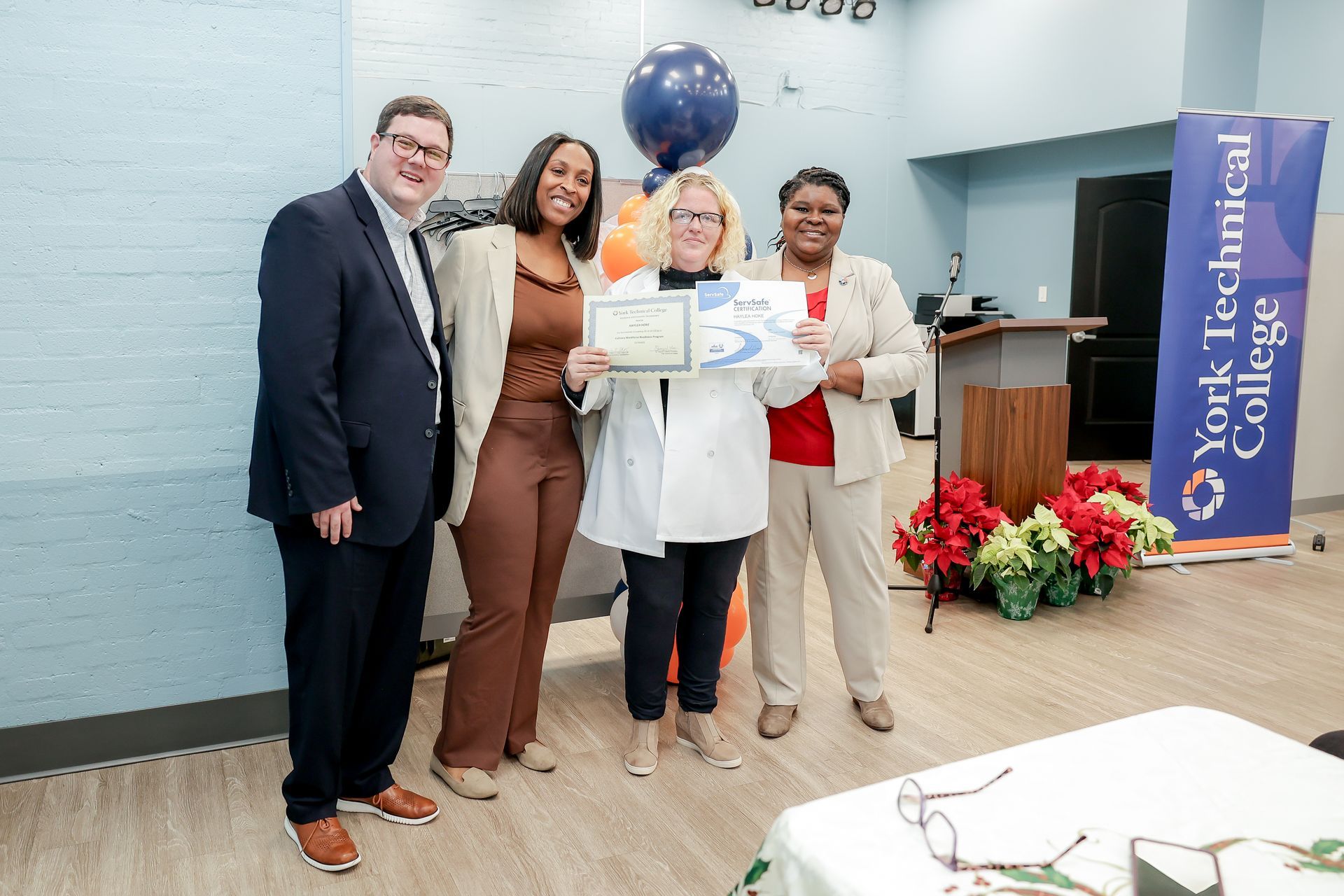
On any given night, thousands of women across America experience hardship. For Haylea Hoke, a mother and recent graduate of York Technical College’s Culinary Workforce Readiness Program, a pathway toward stability became possible through workforce training rooted in opportunity and strengthened by a network of community partners committed to walking alongside her.
An integral part of Haylea’s journey toward self-sufficiency was her completion of the York Technical College nine-week Culinary Workforce Readiness Program, a hands-on training designed to equip participants with professional culinary skills, industry-recognized certification, and the confidence needed to pursue meaningful employment. For Haylea, the program represented more than job training; it was a turning point.
When asked about the purpose of the program, Kimberly Massey, Workforce and Economic Development Activator for York Tech, said:
“The Workforce and Economic Development Department at York Tech offers short-term training, certification, and licensure to help people find work or to advance in their work roles. Many people think of the Technical College as the place that offers 2-year degrees, and we do, but our department offers 2-week, 6-week, 4-month, etc. programs that meet the needs of our local citizens and local industry. Quite often, in cases like Haylea's, people do not have 2 years to become qualified for their next job. They need the knowledge and skills concentrated into a brief time period and assistance connecting with workforce partners who want to hire them.”
Like many individuals navigating difficult circumstances, Haylea was already taking steps to care for herself and her family when she connected with local support services that helped stabilize her life and make participation in the program possible.
In a recent interview, Haylea reflected on a pivotal season that led her to York Tech’s program.
“At the time, I was homeless. I moved to The Life House Women’s Shelter,” she shared. “If it wasn’t for Amber and The Life House, I wouldn’t have been in the culinary program.”
The Life House Women’s Shelter, located at Pathways Community Center in Rock Hill, provides women experiencing hardship with access to safe shelter, meals, hygiene services, fellowship, and case management. These essential supports allowed Haylea to focus on her goals and fully engage in York Technical College’s training program.
Offered in partnership with Pathways Community Center, York Technical College’s Culinary Workforce Readiness Program blends technical instruction with professional development to prepare participants for success in the food service industry. Throughout the program, Pathways staff worked closely with students to provide encouragement, accountability, and ongoing support.
“Mr. Taylor and Wanda support you in ways that I don’t think many people get supported,” Haylea said. “If it weren’t for Mr. Taylor constantly pushing us to go and keep going, I wouldn’t have stayed in the class.”
In the kitchen, Haylea trained under the guidance of York Technical College instructor Chef Teshia, who challenged students to develop both their skills and their confidence.
“It was truly amazing to watch Haylea’s confidence grow, not only in the kitchen but in every aspect of the program. At the start of the course, she was quiet and preferred to observe. By the end of the class, she was confidently cooking and helping lead discussions,” Chef said.
Even while navigating personal challenges — including the loss of a family member — Haylea remained committed to completing the program, supported by her classmates, Chef Teshia, and Pathways staff.
“Chef Teshia pushed us to the point where we knew we could do it,” Haylea shared. “She gave us the confidence that we needed.”
On December 18, Haylea proudly received her white coat and Managerial ServSafe Certification during a graduation ceremony held at Pathways Community Center, marking the successful completion of York Technical College’s Culinary Workforce Readiness Program. “I don’t overthink anymore,” she said. “If I set my mind to something, I’m going to do it.”
When asked what advice she would give to future students, Haylea offered simple but powerful encouragement: “Just keep pushing through. Don’t give up. It’s easy to give up, but just don’t.”
Since graduating from the program, Haylea has been hired at Junior Varsity and will soon return to the kitchen at Eleven 11 Steakhouse in Rock Hill — continuing the momentum she built through York Technical College’s workforce training.
Her story highlights the impact of workforce education when paired with intentional community collaboration. Through York Technical College’s Culinary Workforce Readiness Program — and the vital support of partners like The Life House and Pathways Community Center — individuals are gaining the skills, confidence, and stability needed to build lasting change.
Written by Karl Vogl

Collective Impact in Action July reflected the continued strength of collaboration across the Pathways campus. Through the work of our on-site agencies, partners, and volunteers, 366 services were provided, connecting individuals with resources and support designed to address their needs while helping them move toward greater stability and self-sufficiency. Among individuals who identified health and wellness as a goal, 100% made progress toward enhancing their well-being through access to healthcare, counseling, peer support, and other wellness resources. We also saw 76% of those working toward greater financial independence make progress toward that goal, helping strengthen the foundation needed for long-term stability. These outcomes represent people taking meaningful steps forward and the collective effort surrounding them along the way. As we continue bringing services together in one location, we remain grateful for every agency, partner, volunteer, and supporter helping create pathways toward healthier, more stable futures.
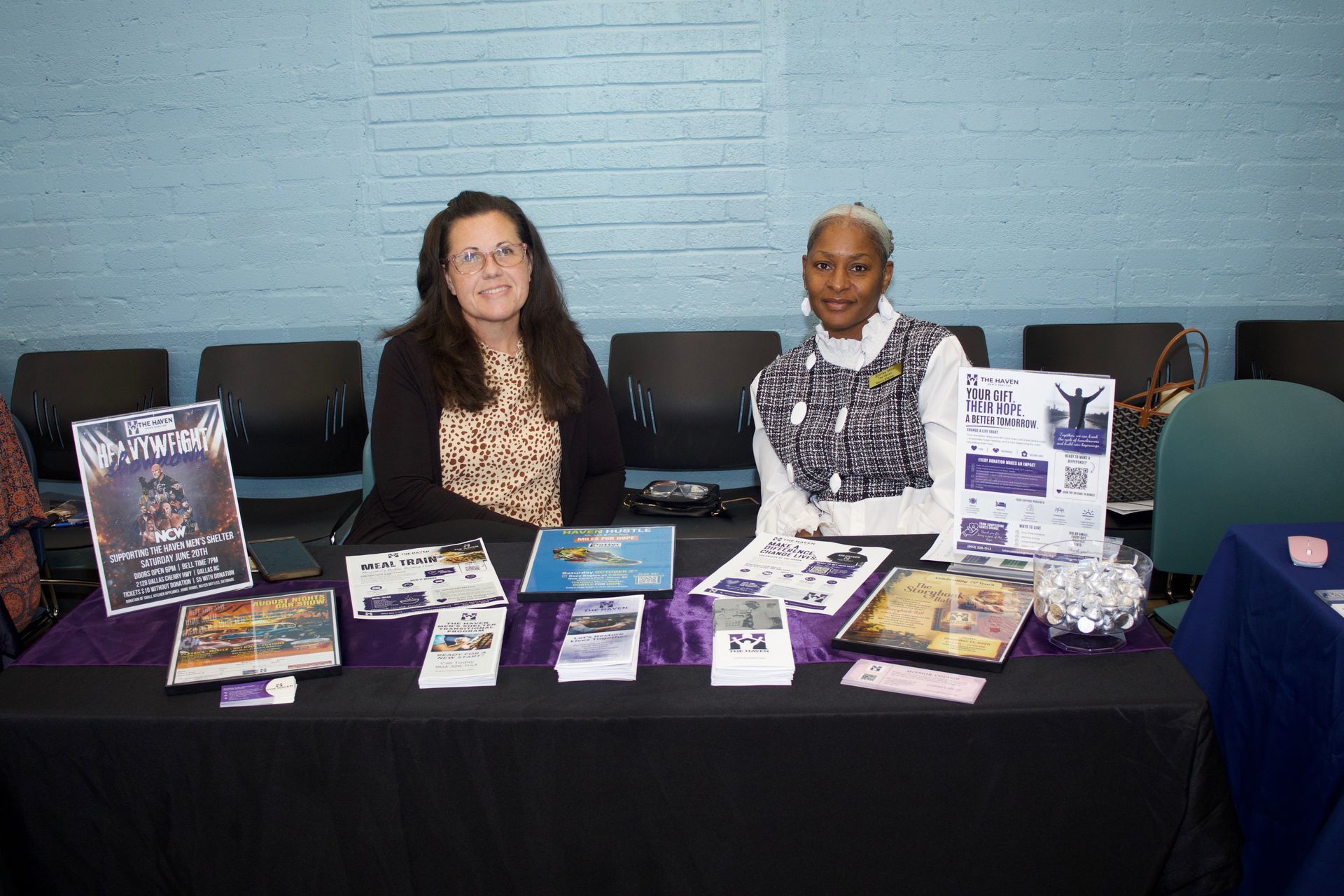
Written by Karl Vogl ll When someone is experiencing homelessness, finding a place to stay can be an important first step. For many men, getting back on their feet requires more than a bed. It requires addressing the challenges that led them there and having people willing to walk alongside them as they work toward something different. That is the work being done at The Haven Men’s Shelter in Rock Hill. Opened in 2006, The Haven is a transitional housing program for men who are ready to leave homelessness behind and work toward a more stable future. The program serves men 18 and older who are able to work full-time, maintain sobriety and demonstrate a genuine desire to make a change in their lives. The Haven is considered a “high-barrier” shelter because residents are expected to take an active role in their own progress. They must maintain sobriety, follow house rules, participate in services and take responsibility for the goals they set for themselves. “We are a transitional housing program,” said Nancy Foster, executive director of The Haven’s Men’s Shelter. “We have a 90 to 120 day program here at the Haven that when men come in, every 30 days, they're evaluated on progress.” During the first 30 days, staff work with each man to identify the challenges and barriers standing in the way of stability. Those barriers can look different for everyone. “It could be a background,” Foster said. “Do we need to go through homeless court? Is it something else that we just need to tackle together?” For others, the barrier may be something they have not even realized is affecting their ability to move forward. The Haven connects residents with medical, dental and vision care to help identify issues that could be affecting their ability to work and maintain stability. From there, residents can begin focusing on employment, income, budgeting, counseling and eventually housing. But Foster said the support men receive at The Haven goes beyond the services they provide. “When they come to the Haven, they are not just clients. They're our family,” she said. For some men, that may be an unfamiliar experience. “Some of them have never had a family,” Foster said. “And some of them don't even know how to deal with what is a true family.” Through compassion, respect and dignity, The Haven works to create an environment where men can begin to see themselves differently. Prayer and Bible study are also part of the program, but Foster said the focus ultimately remains on meeting each person's needs. One former resident's story shows what that support can make possible. The man came to The Haven following a divorce and was unable to see his children because of legal issues. Through the Haven's support, he participated in family counseling and parenting classes while working through his legal challenges. Eventually, his charges were dropped and he was able to reunite with his family. As a veteran, he was also connected with veterans assistance programs that helped his family secure a home of their own in York. “We were able to go celebrate that with them,” Foster said. “And still keep up with them, and they're doing extremely well.” Stories like his are made possible in part because of the community partnerships surrounding The Haven. “I always say it takes a village,” Foster said. Every man who enters the program has different needs, and The Haven often relies on community partners to help fill the gaps. That can mean connecting someone with legal assistance, transportation, employment opportunities, work clothing or housing resources. “Everybody coming through our door has a different situation, so not everybody's the same,” Foster said. That collaborative approach has contributed to a 94% success rate at The Haven, according to Foster. She believes one of the most important parts of that success is preparing men before they transition into permanent housing. “If we did not walk alongside them, get in the trenches with them and help figure them out, they would cycle back through the system,” she said. The Haven's work also does not end when a man leaves the shelter. Staff continue to follow graduates for up to a year, providing support when challenges arise and helping them maintain the progress they have made. “Our work doesn't stop here at the Haven when they leave the doors, 90 to 120 days,” Foster said. “We follow them for a year afterward to make sure if they get in the weeds, we're right there still supporting them.” Looking ahead, The Haven hopes to expand its transitional housing opportunities for men, addressing what Foster sees as a significant gap in the community. She also hopes more people will take the time to understand the work happening at The Haven, not just support it financially. For Foster, being part of the Haven community means knowing who the organization serves, how it serves them and how others can contribute their time, talents and resources. “Come in and see what the Haven does, who we serve, and how we serve them,” Foster said. The Haven's work is not simply about providing shelter. It is about helping men address the barriers in front of them, prepare for what comes next and build a life they can sustain after they leave. For the men who walk through its doors, that support can be the beginning of something new.
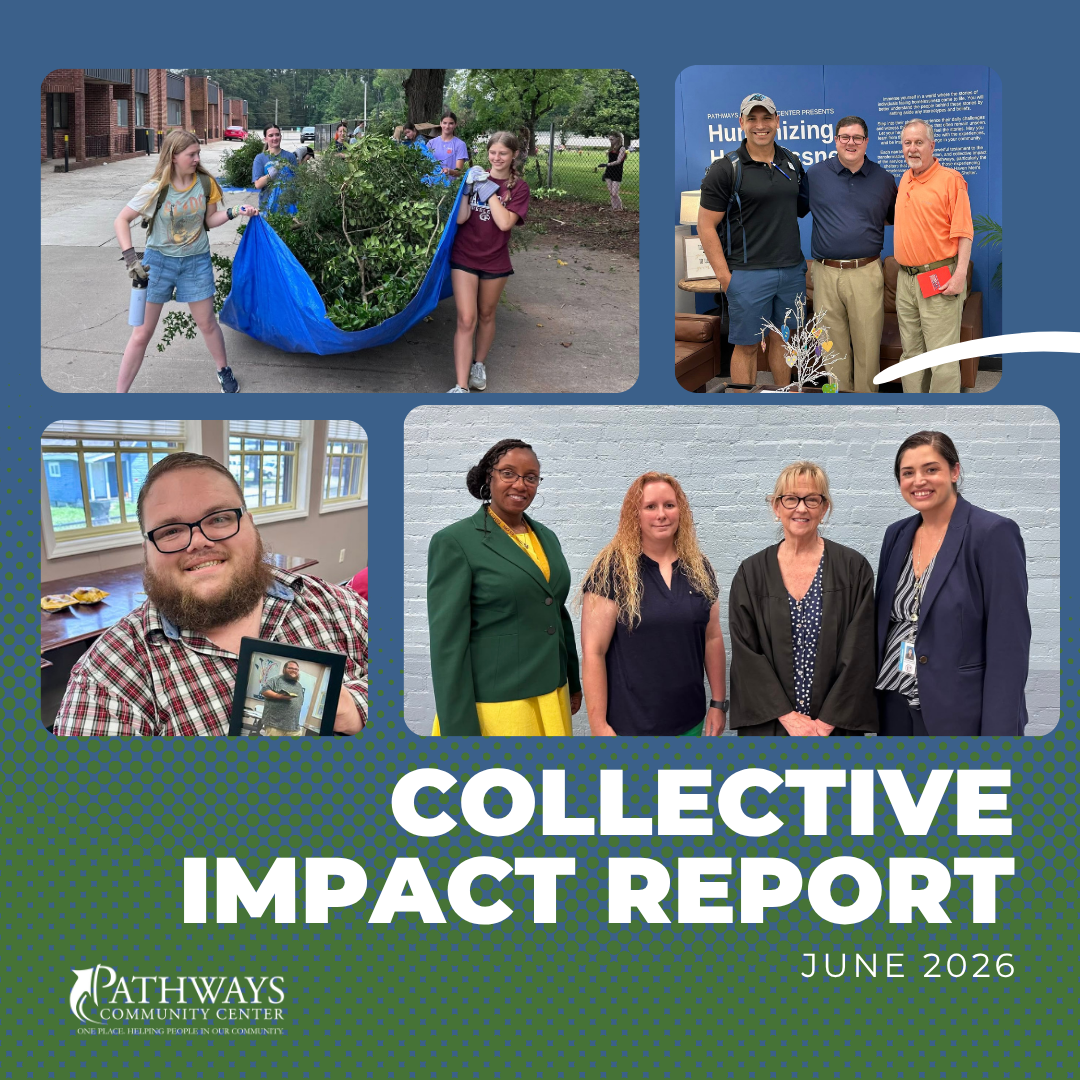
Collective Impact in Action June demonstrated what is possible when a community comes together with a shared commitment to serving others. Across the Pathways campus, our partners, volunteers, and on-site agencies continued working side by side to connect individuals and families with the resources they need to build stronger futures. This month, 100% of those served achieved their goal of obtaining essential documentation , removing critical barriers to accessing employment, housing, healthcare, and other vital services. We also saw 100% enhance their health and wellness through engagement with healthcare providers, counselors, peer support, and wellness programming. Additionally, three individuals successfully transitioned into independent living , marking an important step toward long-term stability and self-sufficiency. Every milestone reflects the power of collaboration and the dedication of the organizations and individuals who make Pathways possible. Together, we remain committed to creating opportunities that empower our neighbors to move forward with dignity, hope, and lasting self-sufficiency.
