April 2026 Newsletter

May 4, 2026

 Welcoming Jericha Osborn, Intake & Engagement Manager

Pathways Community Center is honored to welcome Jericha Osborn to our team as our new Intake and Engagement Manager.


Jericha joins us with a deep calling to serve individuals experiencing homelessness and navigating life transitions. With more than two years of experience in recovery and community-based support, she has walked closely alongside individuals in some of their most challenging seasons, offering not only guidance, but presence, compassion, and unwavering belief in what’s possible.


Her work is rooted in meeting people exactly where they are, honoring their dignity, and helping them take meaningful steps toward stability and restoration. Through her role, Jericha will help connect individuals to critical resources such as shelter, treatment, and community support, while also serving as a consistent source of encouragement and accountability along their journey.


We are grateful for the compassion, strength, and hope she brings to Pathways and the many lives that will be impacted through her work. Please join us in warmly welcoming Jericha to the Pathways family.
The Impact of Holy Week on our Campus

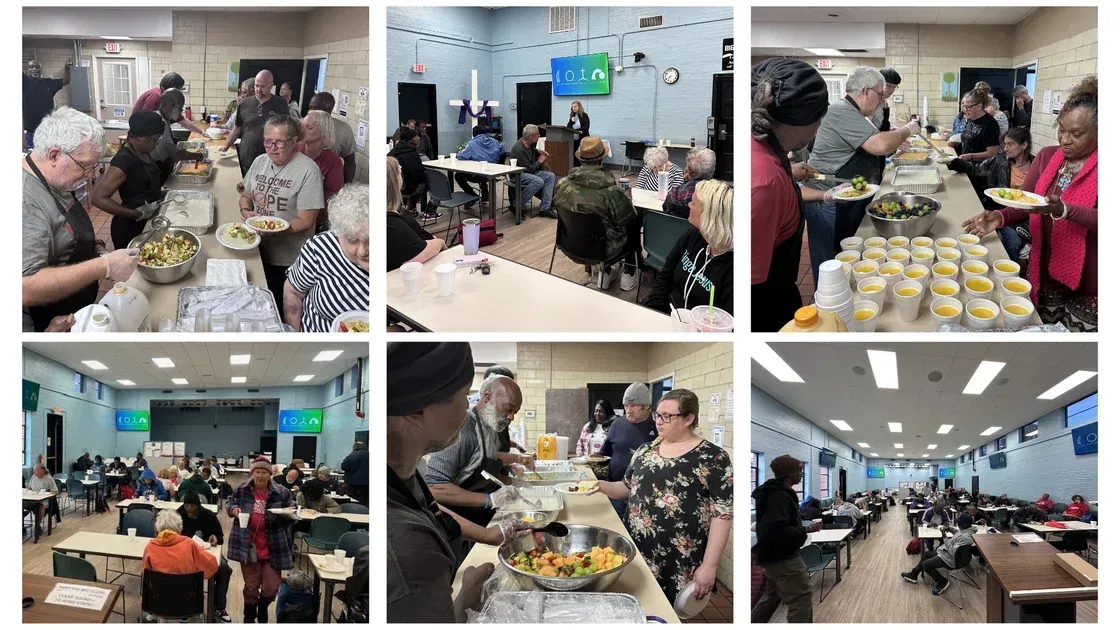
Last week, our campus came together to observe Holy Week through moments of reflection, prayer, and fellowship. Each morning, we gathered to pause, share a message, and begin the day grounded in gratitude and purpose.


It was beautiful to witness how God moved throughout the hearts and minds of those on our campus. We are grateful for the space to come together in faith and community, and for all who joined us during this sacred time.

Help us Celebrate the Culinary Workforce Graduates 

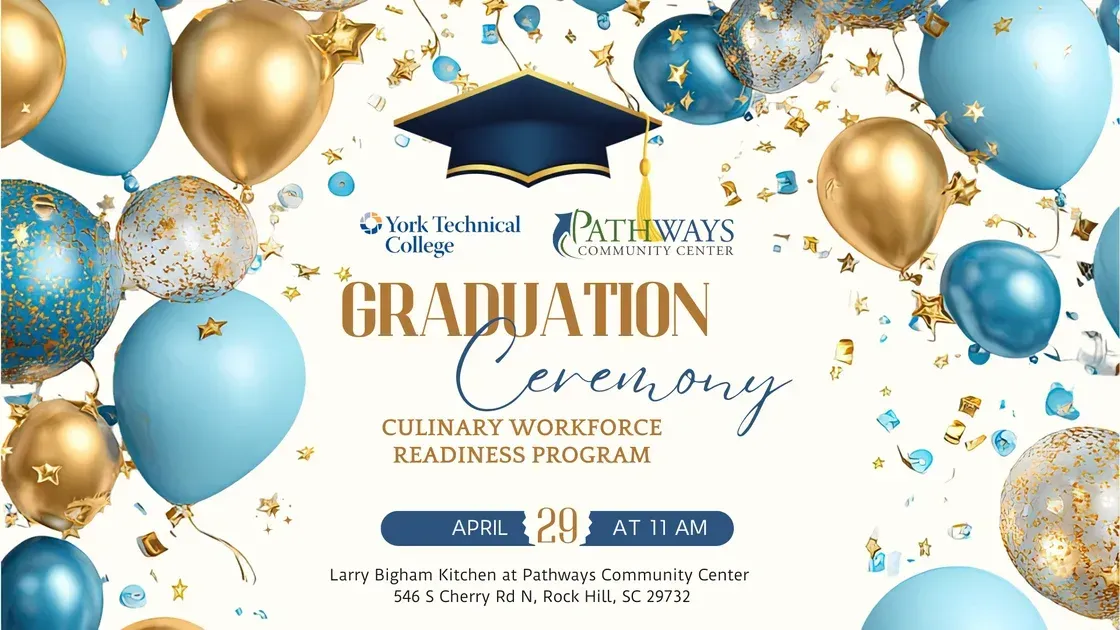
Can you believe we are already celebrating the graduation of our second cohort of the York Technical College Culinary Workforce Readiness Program?


On Wednesday, April 29 at 11:00 AM, we will gather in the Larry Bigham Kitchen at Pathways Community Center to honor this incredible group of graduates. Over the past several weeks, these individuals have committed themselves to learning new skills, building confidence, and taking meaningful steps toward self-sufficiency.

This moment is more than a graduation—it’s a reflection of what’s possible when opportunity, support, and determination come together. It’s also a testament to the power of partnership and a community willing to invest in people and their future.


We invite you to join us as we celebrate their achievements and recognize the many partners, donors, volunteers, and supporters who made this journey possible.

All are welcome—we would love to celebrate with you.
RSVP for the Graduation

Building a Dignified Space

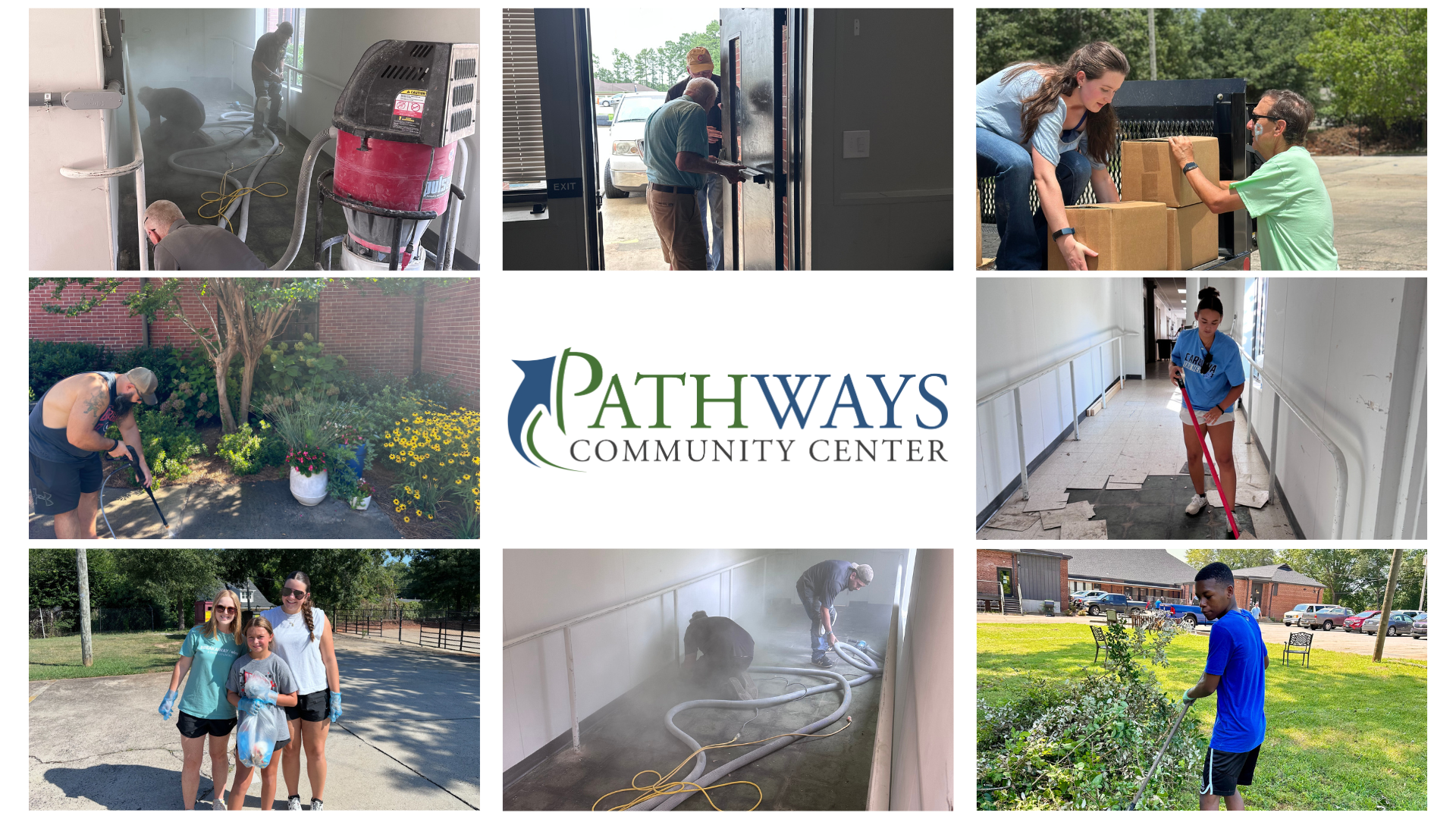
Transformation happens not only through programs, but also in the environment we create. That’s why we’re committed to maintaining a campus that reflects dignity and care for every guest who walks through our doors. From landscaping and light repairs to larger renovations, our ongoing campus improvement projects ensure that our physical space matches the heart of our mission. We’ve recently updated our website with a full list of current projects—so whether you’re an individual, group, or business, there are hands-on opportunities to get involved. Explore the list and see how you can help us shape a campus that truly feels like home.

Campus Improvement Projects
August 31, 2026
Collective Impact in Action July reflected the continued strength of collaboration across the Pathways campus. Through the work of our on-site agencies, partners, and volunteers, 366 services were provided, connecting individuals with resources and support designed to address their needs while helping them move toward greater stability and self-sufficiency. Among individuals who identified health and wellness as a goal, 100% made progress toward enhancing their well-being through access to healthcare, counseling, peer support, and other wellness resources. We also saw 76% of those working toward greater financial independence make progress toward that goal, helping strengthen the foundation needed for long-term stability. These outcomes represent people taking meaningful steps forward and the collective effort surrounding them along the way. As we continue bringing services together in one location, we remain grateful for every agency, partner, volunteer, and supporter helping create pathways toward healthier, more stable futures.
August 31, 2026
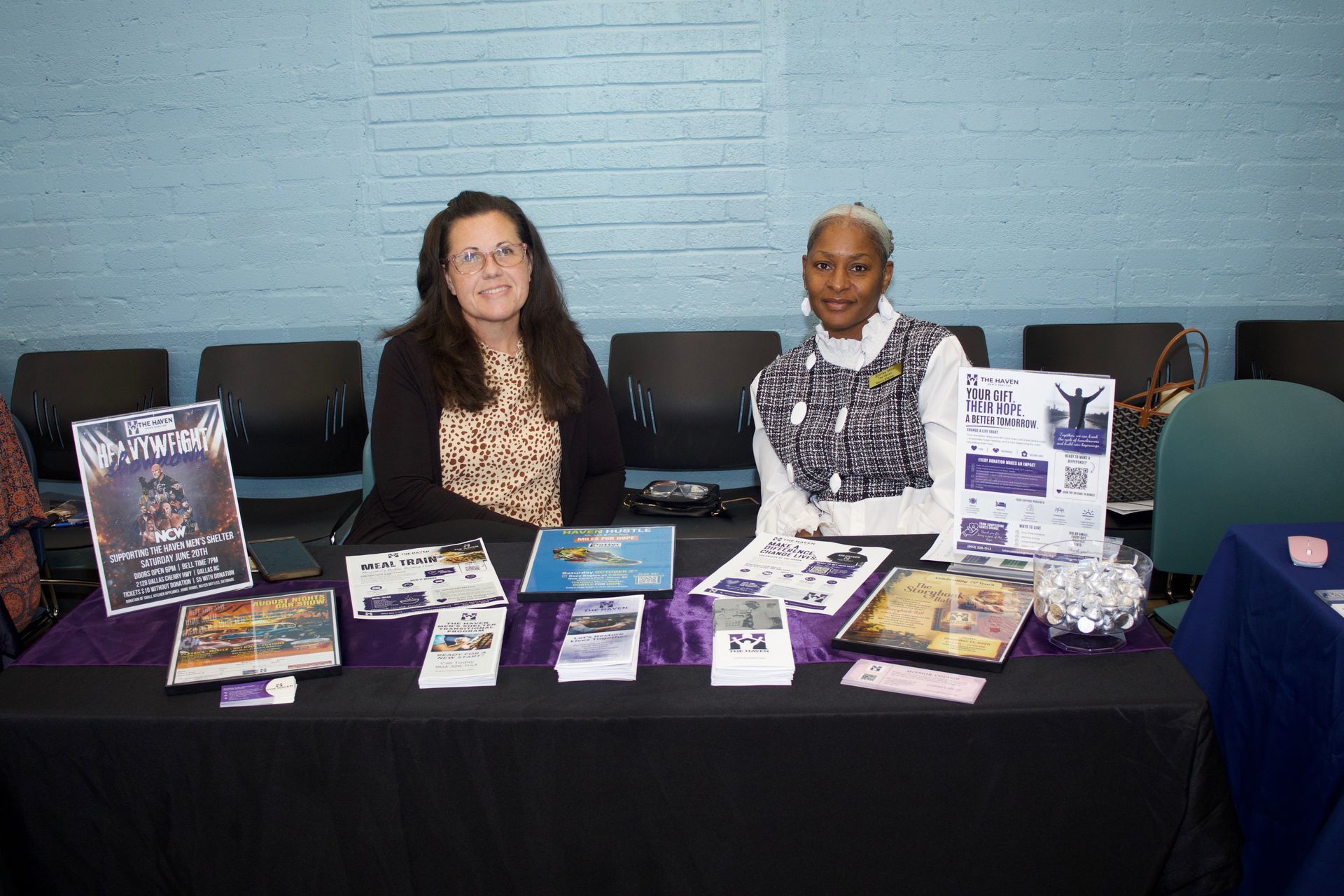
Written by Karl Vogl ll When someone is experiencing homelessness, finding a place to stay can be an important first step. For many men, getting back on their feet requires more than a bed. It requires addressing the challenges that led them there and having people willing to walk alongside them as they work toward something different.  That is the work being done at The Haven Men’s Shelter in Rock Hill. Opened in 2006, The Haven is a transitional housing program for men who are ready to leave homelessness behind and work toward a more stable future. The program serves men 18 and older who are able to work full-time, maintain sobriety and demonstrate a genuine desire to make a change in their lives. The Haven is considered a “high-barrier” shelter because residents are expected to take an active role in their own progress. They must maintain sobriety, follow house rules, participate in services and take responsibility for the goals they set for themselves. “We are a transitional housing program,” said Nancy Foster, executive director of The Haven’s Men’s Shelter. “We have a 90 to 120 day program here at the Haven that when men come in, every 30 days, they're evaluated on progress.” During the first 30 days, staff work with each man to identify the challenges and barriers standing in the way of stability. Those barriers can look different for everyone. “It could be a background,” Foster said. “Do we need to go through homeless court? Is it something else that we just need to tackle together?” For others, the barrier may be something they have not even realized is affecting their ability to move forward. The Haven connects residents with medical, dental and vision care to help identify issues that could be affecting their ability to work and maintain stability. From there, residents can begin focusing on employment, income, budgeting, counseling and eventually housing. But Foster said the support men receive at The Haven goes beyond the services they provide. “When they come to the Haven, they are not just clients. They're our family,” she said. For some men, that may be an unfamiliar experience. “Some of them have never had a family,” Foster said. “And some of them don't even know how to deal with what is a true family.” Through compassion, respect and dignity, The Haven works to create an environment where men can begin to see themselves differently. Prayer and Bible study are also part of the program, but Foster said the focus ultimately remains on meeting each person's needs. One former resident's story shows what that support can make possible. The man came to The Haven following a divorce and was unable to see his children because of legal issues. Through the Haven's support, he participated in family counseling and parenting classes while working through his legal challenges. Eventually, his charges were dropped and he was able to reunite with his family. As a veteran, he was also connected with veterans assistance programs that helped his family secure a home of their own in York. “We were able to go celebrate that with them,” Foster said. “And still keep up with them, and they're doing extremely well.” Stories like his are made possible in part because of the community partnerships surrounding The Haven. “I always say it takes a village,” Foster said. Every man who enters the program has different needs, and The Haven often relies on community partners to help fill the gaps. That can mean connecting someone with legal assistance, transportation, employment opportunities, work clothing or housing resources. “Everybody coming through our door has a different situation, so not everybody's the same,” Foster said. That collaborative approach has contributed to a 94% success rate at The Haven, according to Foster. She believes one of the most important parts of that success is preparing men before they transition into permanent housing. “If we did not walk alongside them, get in the trenches with them and help figure them out, they would cycle back through the system,” she said. The Haven's work also does not end when a man leaves the shelter. Staff continue to follow graduates for up to a year, providing support when challenges arise and helping them maintain the progress they have made. “Our work doesn't stop here at the Haven when they leave the doors, 90 to 120 days,” Foster said. “We follow them for a year afterward to make sure if they get in the weeds, we're right there still supporting them.” Looking ahead, The Haven hopes to expand its transitional housing opportunities for men, addressing what Foster sees as a significant gap in the community. She also hopes more people will take the time to understand the work happening at The Haven, not just support it financially. For Foster, being part of the Haven community means knowing who the organization serves, how it serves them and how others can contribute their time, talents and resources. “Come in and see what the Haven does, who we serve, and how we serve them,” Foster said. The Haven's work is not simply about providing shelter. It is about helping men address the barriers in front of them, prepare for what comes next and build a life they can sustain after they leave. For the men who walk through its doors, that support can be the beginning of something new.
July 23, 2026
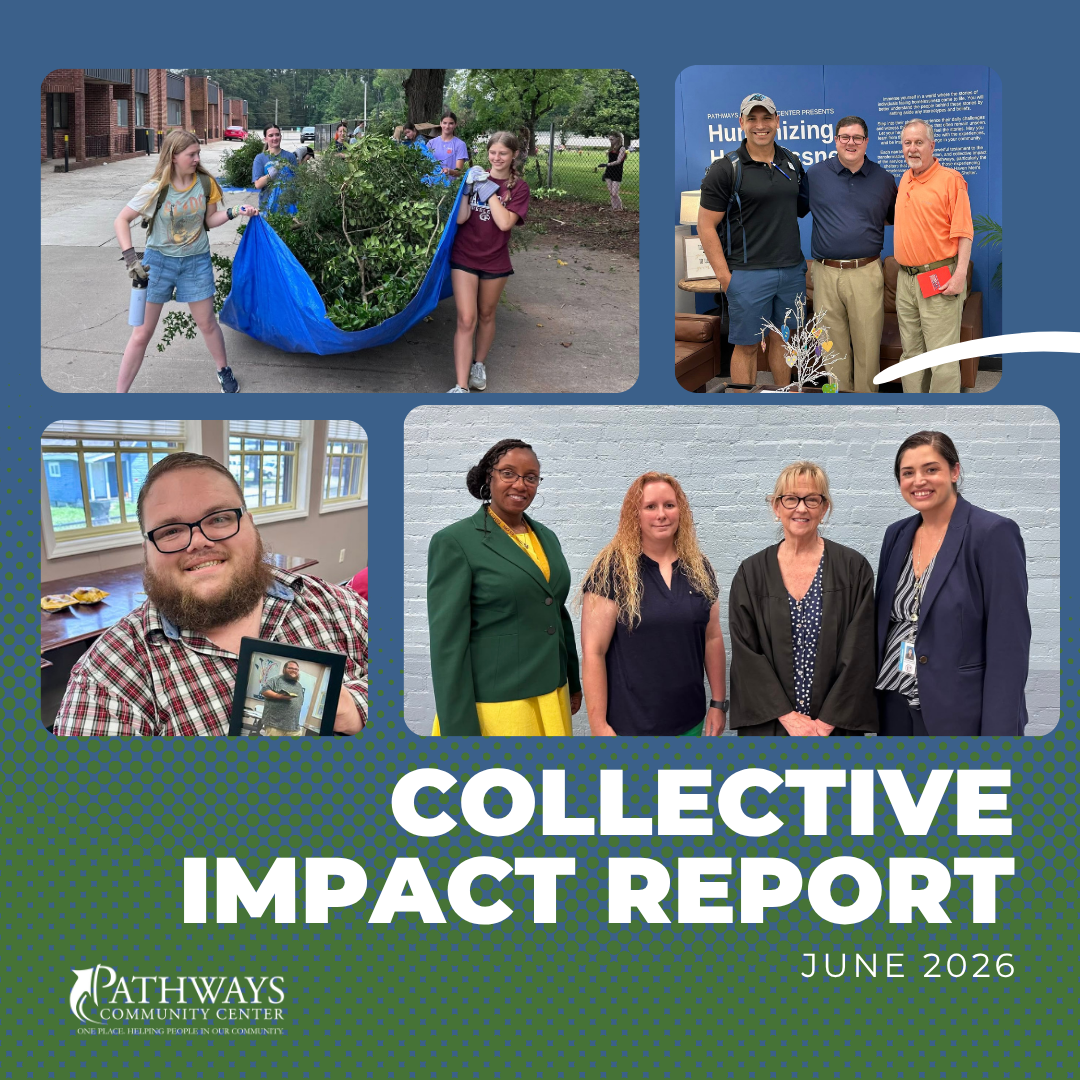
Collective Impact in Action June demonstrated what is possible when a community comes together with a shared commitment to serving others. Across the Pathways campus, our partners, volunteers, and on-site agencies continued working side by side to connect individuals and families with the resources they need to build stronger futures. This month, 100% of those served achieved their goal of obtaining essential documentation , removing critical barriers to accessing employment, housing, healthcare, and other vital services. We also saw 100% enhance their health and wellness through engagement with healthcare providers, counselors, peer support, and wellness programming. Additionally, three individuals successfully transitioned into independent living , marking an important step toward long-term stability and self-sufficiency.  Every milestone reflects the power of collaboration and the dedication of the organizations and individuals who make Pathways possible. Together, we remain committed to creating opportunities that empower our neighbors to move forward with dignity, hope, and lasting self-sufficiency.