August 2025 Newsletter

August 29, 2025

A Recipe for Hope Begins Here

Standing in the Larry Bigham Kitchen, Taylor shares what we believe will become a transformative space—home to our soon-to-be Culinary Workforce Readiness Program. This initiative is designed to equip individuals with hands-on training, life skills, ServSafe® certification, and guaranteed job connections, creating true pathways to self-sufficiency.


But to make this vision a reality, we need your support. Your sponsorship of our Recipe for Hope Luncheon will directly fuel this program—turning compassion into opportunity and opening doors to brighter futures. Together, we can transform a kitchen into a launchpad for change. Will you join us?


Recipe for Hope Luncheon
Thursday, September 25, 2025
11:30 AM – 1:00 PM | Drop-In Lunch
Remarks at 12:00 PM & 12:45 PM
Pathways Community Center | 546 S Cherry Rd, Rock Hill

Learn how you can support today!

Hope in Action

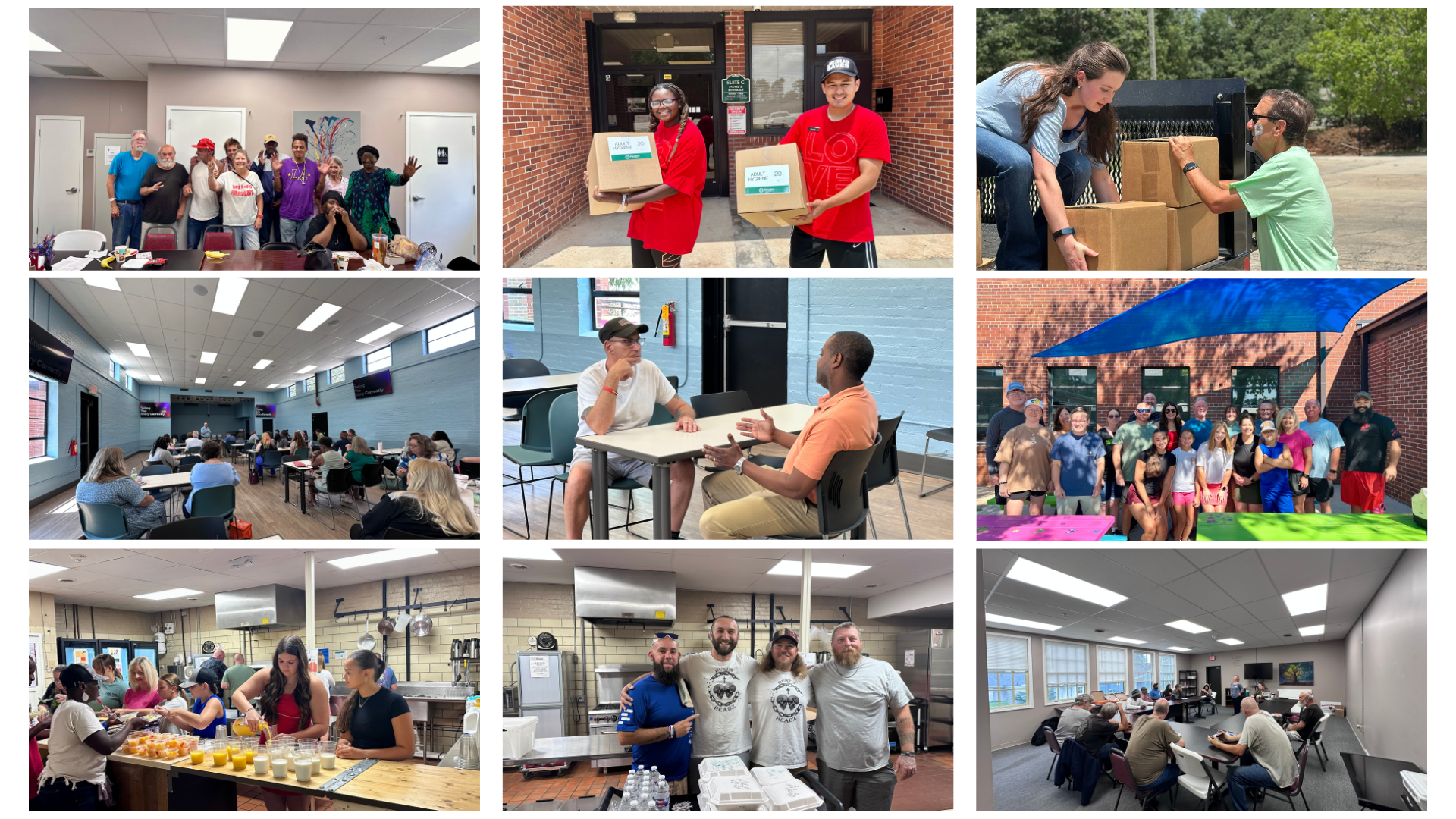
Every week, our campus comes alive with activity—each moment designed to help individuals take the next step forward. From housing readiness workshops and job training info sessions to financial literacy classes, homeless court, and recovery support, people are finding the tools and encouragement they need to move toward stability. But our work isn’t only practical—our campus also makes space for connection and joy, with shared meals, Bible study, games, and crafts that build community and lift spirits. Together with our partners and volunteers, we’re creating an environment where hope and opportunity meet every single day.

Volunteer with an Agency

Building a Dignified Space

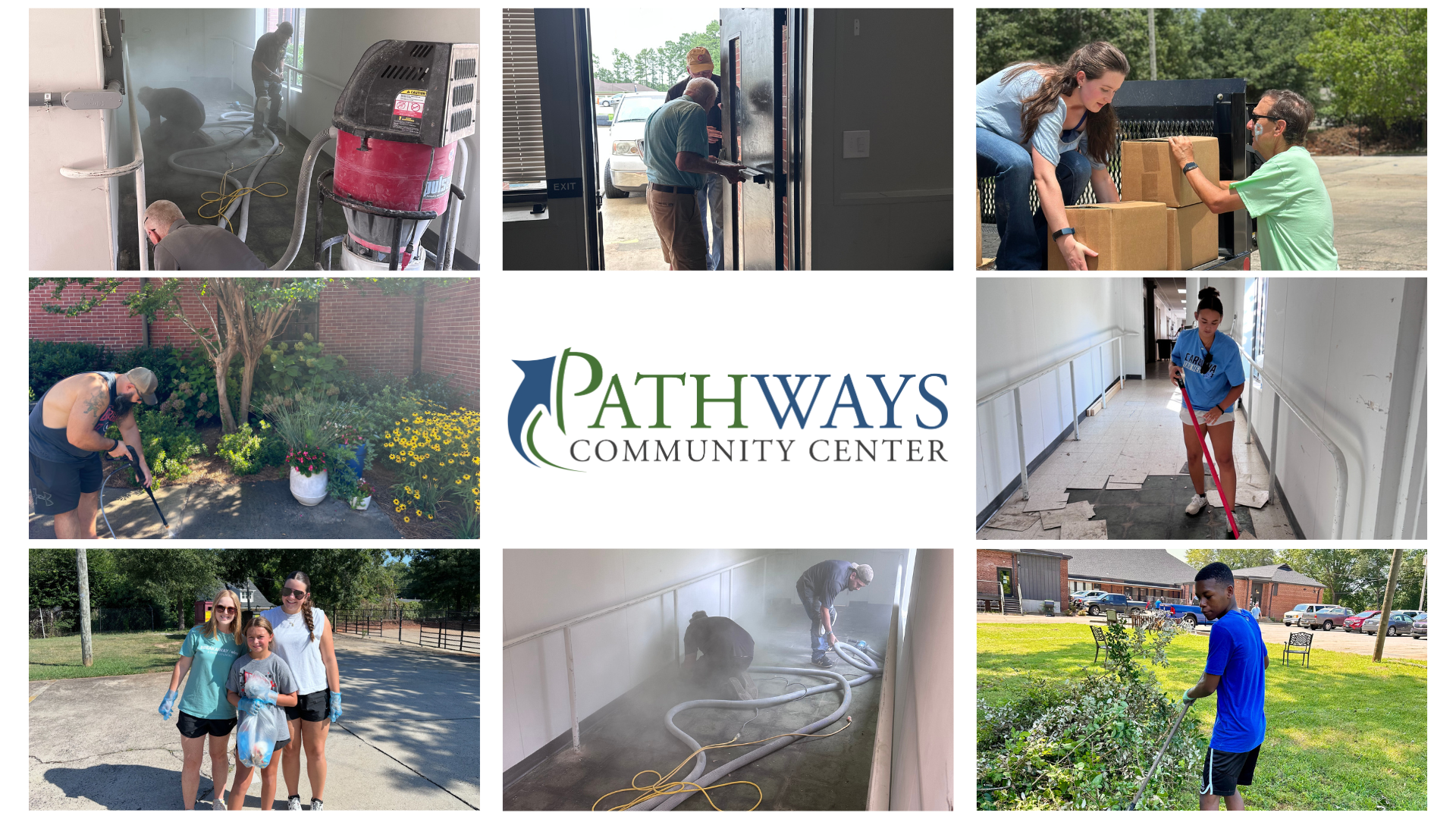
Transformation happens not only through programs, but also in the environment we create. That’s why we’re committed to maintaining a campus that reflects dignity and care for every guest who walks through our doors. From landscaping and light repairs to larger renovations, our ongoing campus improvement projects ensure that our physical space matches the heart of our mission. We’ve recently updated our website with a full list of current projects—so whether you’re an individual, group, or business, there are hands-on opportunities to get involved. Explore the list and see how you can help us shape a campus that truly feels like home.

Campus Improvement Projects
July 23, 2026
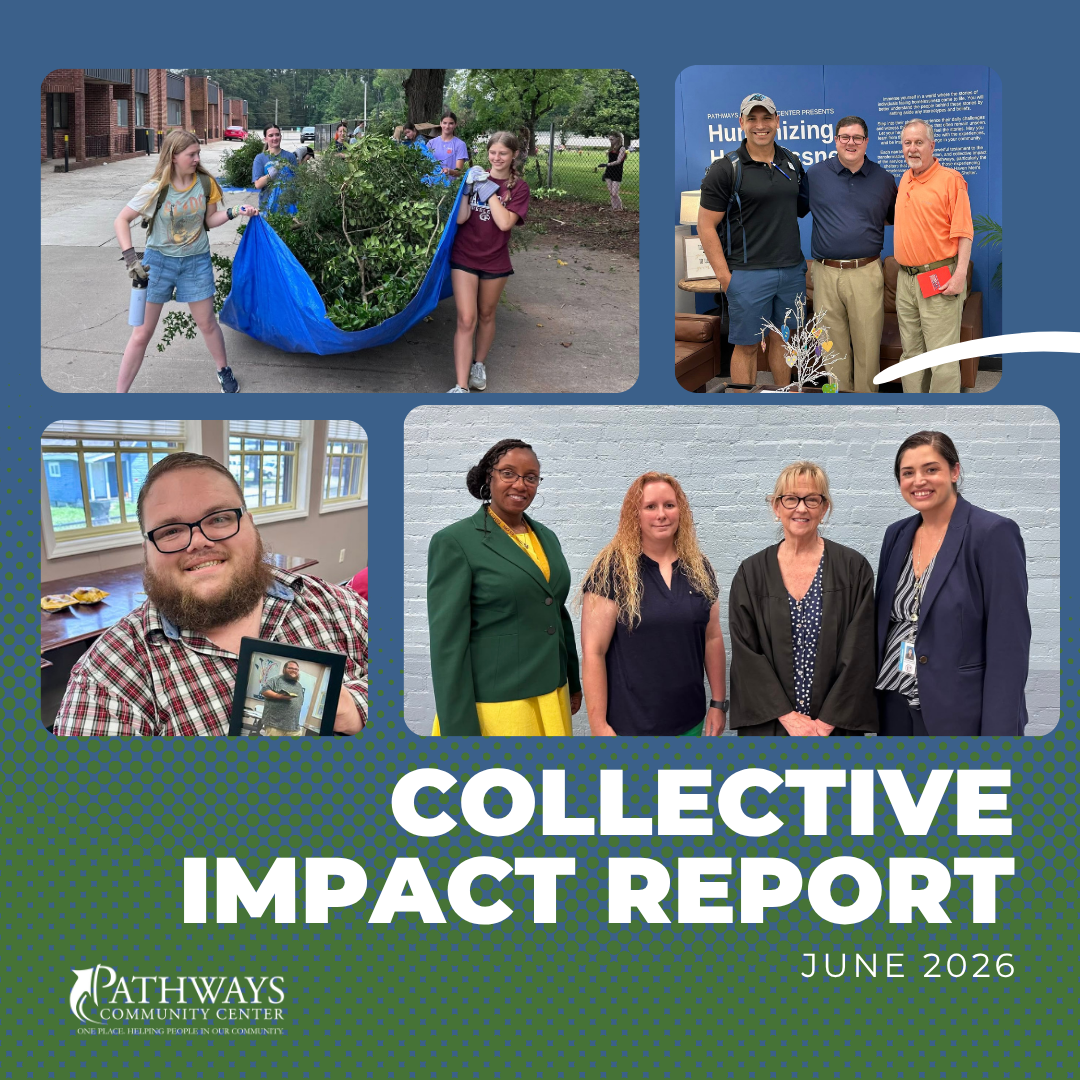
Collective Impact in Action June demonstrated what is possible when a community comes together with a shared commitment to serving others. Across the Pathways campus, our partners, volunteers, and on-site agencies continued working side by side to connect individuals and families with the resources they need to build stronger futures. This month, 100% of those served achieved their goal of obtaining essential documentation , removing critical barriers to accessing employment, housing, healthcare, and other vital services. We also saw 100% enhance their health and wellness through engagement with healthcare providers, counselors, peer support, and wellness programming. Additionally, three individuals successfully transitioned into independent living , marking an important step toward long-term stability and self-sufficiency.  Every milestone reflects the power of collaboration and the dedication of the organizations and individuals who make Pathways possible. Together, we remain committed to creating opportunities that empower our neighbors to move forward with dignity, hope, and lasting self-sufficiency.
July 23, 2026
Written by Karl Vogl ll For many people, a driver's license or state-issued identification card is something that quietly sits in a wallet until it's needed. It's used to apply for a job, sign a lease, visit a doctor's office, or cash a paycheck. Most people rarely think about what life would be like without one. For many of the individuals served by Alston Wilkes Society at Pathways Community Center, however, obtaining an ID is anything but simple. It is often one of the first, and most difficult, steps toward rebuilding a stable life. JoAnn Blackwell, who works directly with individuals navigating the identification process, sees these challenges every week. Through Alston Wilkes Society's partnership with shelter partners and other organizations on the Pathways Community Center campus, she helps clients work through a system that often requires documents they no longer have in order to obtain the documents they desperately need. "It's kind of like a back and forth," Blackwell explained. "To replace a Social Security card, you often need an ID. To get an ID, you may need your birth certificate. To get your birth certificate, you may need your Social Security card. Everything fits together." For someone experiencing homelessness, reentering society after incarceration, or recovering from years of instability, those essential documents may have been lost, stolen, or expired long ago. What many people assume is a quick visit to the DMV can instead become months of paperwork, appointments, waiting periods, and setbacks. One of the biggest misconceptions, Blackwell says, is that obtaining an ID is a one-day process. "A lot of people think you just go to the DMV and it's one and done. It's not always that way." Instead, clients often make multiple trips to government offices, only to discover another document is needed or another appointment must be scheduled. Replacing a Social Security card alone can take six to eight weeks before someone is even seen. Every delay postpones employment, housing, healthcare, and financial stability. For some, the journey lasts far longer. Blackwell shared the story of one client who has been working to obtain the necessary documents for more than a year and a half. Paperwork has been mailed back and forth, notarized, resubmitted, and delayed repeatedly. "It's been over a year for him," she said. For someone trying to rebuild their life, those months represent more than waiting, they represent opportunities postponed. An ID is about far more than proving who someone is. It is often the first key that unlocks every other opportunity. With proper identification, clients can apply for employment, obtain replacement Social Security cards, secure housing, establish healthcare, purchase insurance, and begin rebuilding financial independence. "They've got to have employment in order to move forward," Blackwell explained. "They can't get a home unless they have money, and they can't get money unless they have a job. It all comes together." Without identification, even the most determined individual can find themselves unable to move forward. Every month, Blackwell meets clients through partnerships with shelter partners, accompanying many of them through the identification process. Rather than simply sending someone to the DMV, she often goes with them, helping interpret requirements, asking questions, and ensuring they understand each step of the process. Sometimes the biggest obstacle isn't a lack of effort—it is simply understanding a complicated system. Having someone who knows how to navigate that system can make all the difference. One client remains especially memorable. After serving many years at Kershaw Correctional Institution, a gentleman was released only to discover his driver's license had expired while he was incarcerated. He attempted to renew it on his own but left the DMV confused about what was required. Remembering what Blackwell had taught during reentry classes, he called and asked for help. She met him at the DMV, listened carefully to the conversation with the clerk, and realized the information being communicated wasn't what the client believed he had heard. Together, they worked through the process. He renewed his license, retook the written exam, and was eventually able to pursue his commercial driver's license. Today, he is employed by a local trucking company. That renewed driver's license became much more than identification—it became the first step toward stable employment, housing, supporting his family, and rebuilding his future. "It's a big thing having the proper things that you need," Blackwell said. Blackwell hopes the community remembers that individuals experiencing homelessness or returning from incarceration are often working much harder than people realize. From the outside, it can appear as though little progress is being made. In reality, many spend months gathering records, attending appointments, completing paperwork, and overcoming barriers that most people never have to face. She even reflected on her own experience obtaining a federal identification credential, a process that took nearly nine months despite having resources and support. If obtaining identification can be that difficult under normal circumstances, imagine trying to do it while experiencing homelessness or rebuilding life after incarceration. Her message to the community is simple: "Be patient with the homeless population and those with criminal backgrounds." Sometimes it's simply the paperwork standing between someone and a second chance. Through the work of Alston Wilkes Society and the collaborative network at Pathways Community Center, those barriers are slowly being removed—one document, one appointment, and one life at a time.
July 1, 2026
Collective Impact in Action April continued to reflect what’s possible when a community remains committed to showing up for one another. Across the Pathways campus, partners, volunteers, and on-site agencies worked together to provide support, create opportunities, and walk alongside individuals and families navigating their journey toward stability and self-sufficiency. Throughout the month, 414 services were delivered across our campus. Each interaction represents more than assistance in the moment. It reflects collaboration, compassion, and a coordinated effort to help meet people where they are while supporting where they hope to go. One of the most meaningful milestones from April was seeing 10 individuals transition into independent housing , making it one of the strongest months we’ve experienced in helping people move into stable living situations. These moments represent hard work, persistence, and the power of having support systems in place that help make forward movement possible. April also marked the graduation of the second cohort of the York Technical College Culinary Workforce Readiness Program. Surrounded by family, friends, community members, and on-site partners, participants were celebrated for completing hands-on culinary training, building life skills, and preparing for employment opportunities within the culinary field. For many graduates, the ceremony represented more than the completion of a program. It reflected renewed confidence, discipline, and an important next step toward long-term stability and self-sufficiency. The work happening across Pathways continues to grow through consistency, partnership, and a shared commitment to caring for our community in tangible ways.